
Ovarian Cancer Brochure
Ovarian Cancer Brochure - About half of women diagnosed with ovarian cancer are age 63 or older. In 2023, about 19,710 women will receive a new diagnosis of ovarian cancer. The ovarian cancer pamphlet provides concise and accessible information for your patients. Patient identificationbiomarker & testing infosign up for updatesmetastatic solid tumors How is ovarian cancer diagnosed? ##### use understandable and clear language to enhance #####. Currently, there is no way to prevent ovarian cancer, but here are some ways you can help reduce your risk: This cancer mainly develops in older women and a ects the ovaries in the reproductive system. Ovarian cancer affects the ovaries and fallopian tubes. It screens for cervical cancer. After an ovarian cancer diagnosis This cancer mainly develops in older women and a ects the ovaries in the reproductive system. We’ll keep you in the loop on what’s new from share. Patient identificationbiomarker & testing infosign up for updatesmetastatic solid tumors The pap test does not screen for ovarian cancer; Doctor discussionparp inhibitorshelpful patient resourcessafety and side effects Ovarian cancer is a disease in which malignant (cancerous) cells are found in the tissues of the ovary. Ovarian cancer is rare in women younger than age 40 and most often develops after menopause. Cdc develops materials designed to teach health professionals, policy makers, the media, and the public about cancer prevention and control. Request a repsupport program overviewlearn about testing Ovarian cancer is rare in women younger than age 40 and most often develops after menopause. The problem, however, is this type of cancer is hard to. Ovarian cancer is a disease in which malignant (cancerous) cells are found in the tissues of the ovary. Whether you’re newly diagnosed, managing recurrence, supporting a loved one, or. In most women, at. Ovarian cancer is rare in women younger than age 40 and most often develops after menopause. The ovarian cancer pamphlet provides concise and accessible information for your patients. It will introduce you to the care provider specialists who may be part of your treatment team. Knowing your family history and other risk factors, getting regular pelvic exams, and telling your. Request a repsupport program overviewlearn about testing Knowing your family history and other risk factors, getting regular pelvic exams, and telling your doctor about any symptoms you have right away are the best ways to find ovarian cancer. The ovaries are organs which produce the female reproductive cells (ova). It screens for cervical cancer. ##### provide information about ovarian cancer,. Doctor discussionparp inhibitorshelpful patient resourcessafety and side effects Doctor discussionparp inhibitorshelpful patient resourcessafety and side effects Ovarian cancer is a disease in which malignant (cancerous) cells are found in the tissues of the ovary. How is ovarian cancer diagnosed? ##### use understandable and clear language to enhance #####. Doctor discussionparp inhibitorshelpful patient resourcessafety and side effects Browse our informative brochures for clear, concise, and supportive information on ovarian cancer treatment, survival, and more. This program covers the most recent advances in the underlying mechanisms in ovarian cancer, with a focus on applying that knowledge to the prevention, detection and treatment of the. Whether you’re newly diagnosed, managing recurrence,. Patient identificationbiomarker & testing infosign up for updatesmetastatic solid tumors It screens for cervical cancer. Ovarian cancer is rare in women younger than age 40 and most often develops after menopause. In 2023, about 19,710 women will receive a new diagnosis of ovarian cancer. Browse our informative brochures for clear, concise, and supportive information on ovarian cancer treatment, survival, and. The ovarian cancer pamphlet provides concise and accessible information for your patients. The ovaries are organs which produce the female reproductive cells (ova). Ovarian cancer is rare in women younger than age 40 and most often develops after menopause. Ovarian cancer is a disease in which malignant (cancerous) cells are found in the tissues of the ovary. Patient identificationbiomarker &. In 2023, about 19,710 women will receive a new diagnosis of ovarian cancer. Doctor discussionparp inhibitorshelpful patient resourcessafety and side effects 21,000 cases of ovarian cancer are diagnosed each year. There is no accurate test to screen for or detect ovarian cancer today. How is ovarian cancer diagnosed? This booklet will take you through the basics of ovarian cancer diagnosis and treatment. This cancer mainly develops in older women and a ects the ovaries in the reproductive system. About half of women diagnosed with ovarian cancer are age 63 or older. It screens for cervical cancer. There is no accurate test to screen for or detect ovarian cancer. Currently, there is no way to prevent ovarian cancer, but here are some ways you can help reduce your risk: In 2023, about 19,710 women will receive a new diagnosis of ovarian cancer. Browse our informative brochures for clear, concise, and supportive information on ovarian cancer treatment, survival, and more. Cdc develops materials designed to teach health professionals, policy makers,. This program covers the most recent advances in the underlying mechanisms in ovarian cancer, with a focus on applying that knowledge to the prevention, detection and treatment of the. It will introduce you to the care provider specialists who may be part of your treatment team. Appropriate for the general public, health fairs, informational. We’ll keep you in the loop on what’s new from share. Ovarian cancer affects the ovaries and fallopian tubes. In most women, at the time of their diagnosis, the disease has. Whether you’re newly diagnosed, managing recurrence, supporting a loved one, or. Knowing your family history and other risk factors, getting regular pelvic exams, and telling your doctor about any symptoms you have right away are the best ways to find ovarian cancer. It screens for cervical cancer. There is no accurate test to screen for or detect ovarian cancer today. Currently, there is no way to prevent ovarian cancer, but here are some ways you can help reduce your risk: This booklet will take you through the basics of ovarian cancer diagnosis and treatment. After an ovarian cancer diagnosis About half of women diagnosed with ovarian cancer are age 63 or older. In 2023, about 19,710 women will receive a new diagnosis of ovarian cancer. The ovarian cancer pamphlet provides concise and accessible information for your patients.
Ovarian Cancer Information Brochure SHARE Cancer Support
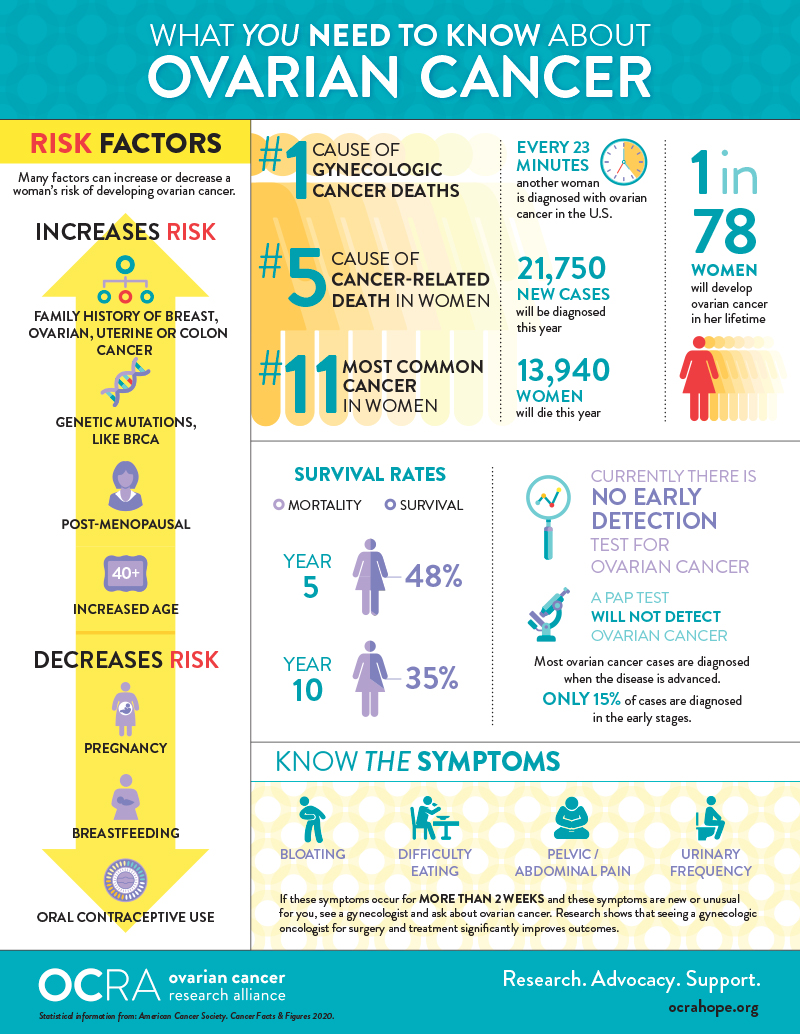
Downloadable Materials Ovarian Cancer Research Alliance
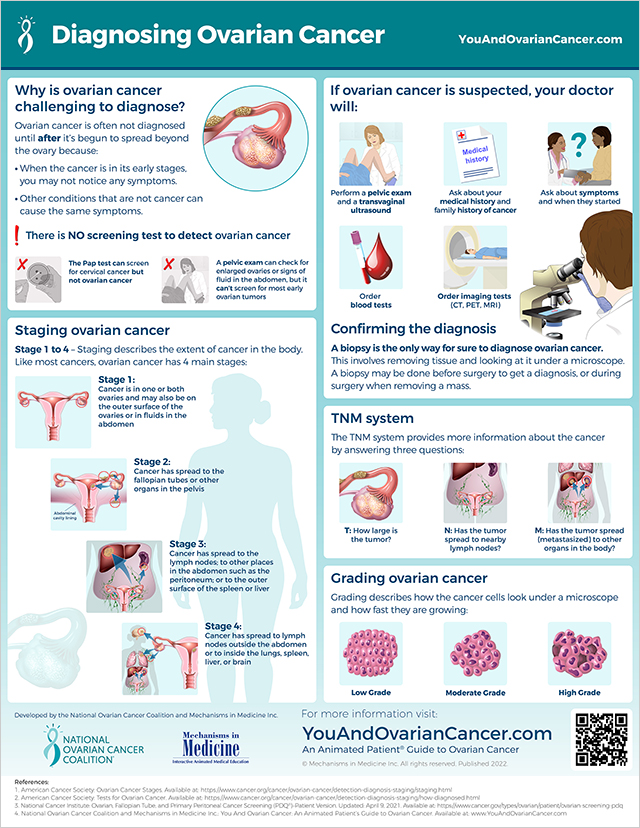
Infographics
.jpg)
Customize online this Simple Ovarian Cancer Information Trifold
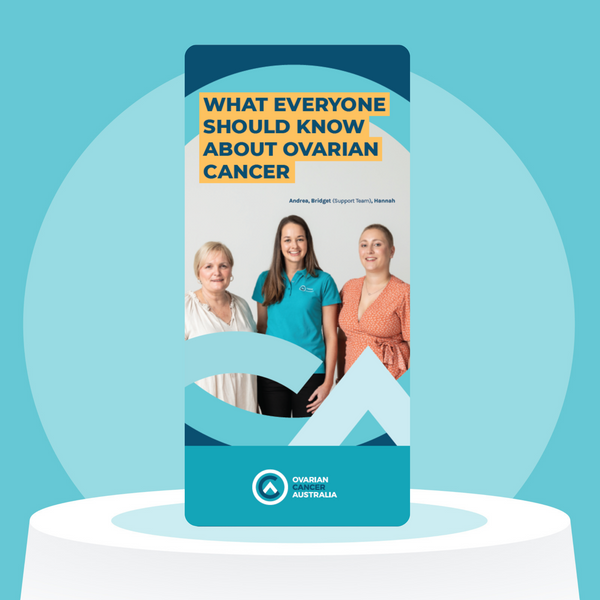
Awareness Brochure Ovarian Cancer Australia

Ovarian Cancer Brochure by Stephescope Issuu
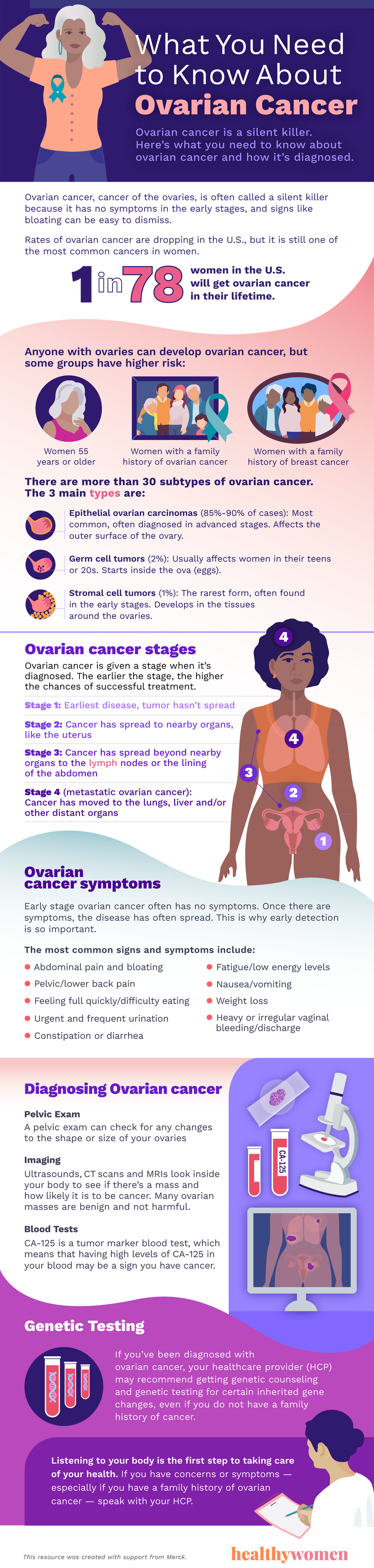
What You Need to Know About Ovarian Cancer Infographic HealthyWomen

Brochure Ovarian Cancer Prevention and Early Detection Study

Are You at Risk of Ovarian Cancer by Gary Weeks Issuu
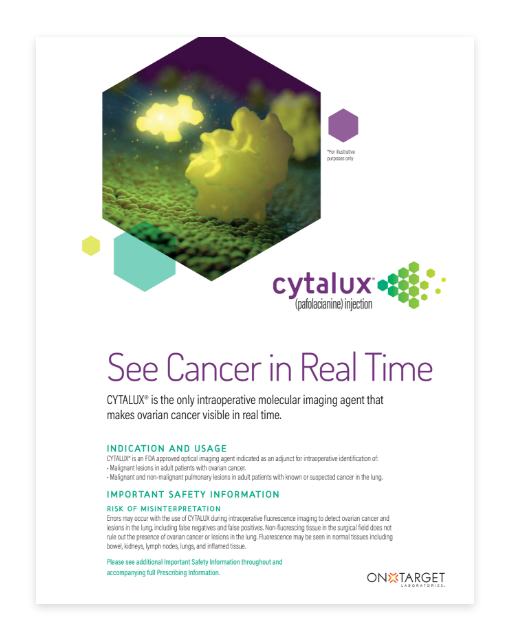
CYTALUX Resources
Ovarian Cancer Starts When Cells In One Or Both Ovaries, The Fallopian Tubes Or The Peritoneum Become Abnormal, Grow Out Of Control And Can Form A Lump.
Doctor Discussionparp Inhibitorshelpful Patient Resourcessafety And Side Effects
This Cancer Mainly Develops In Older Women And A Ects The Ovaries In The Reproductive System.
##### Provide Information About Ovarian Cancer, Including Its Causes, ##### Treatment Options, And Potential Complications.
Related Post: