
Home Equity Brochure
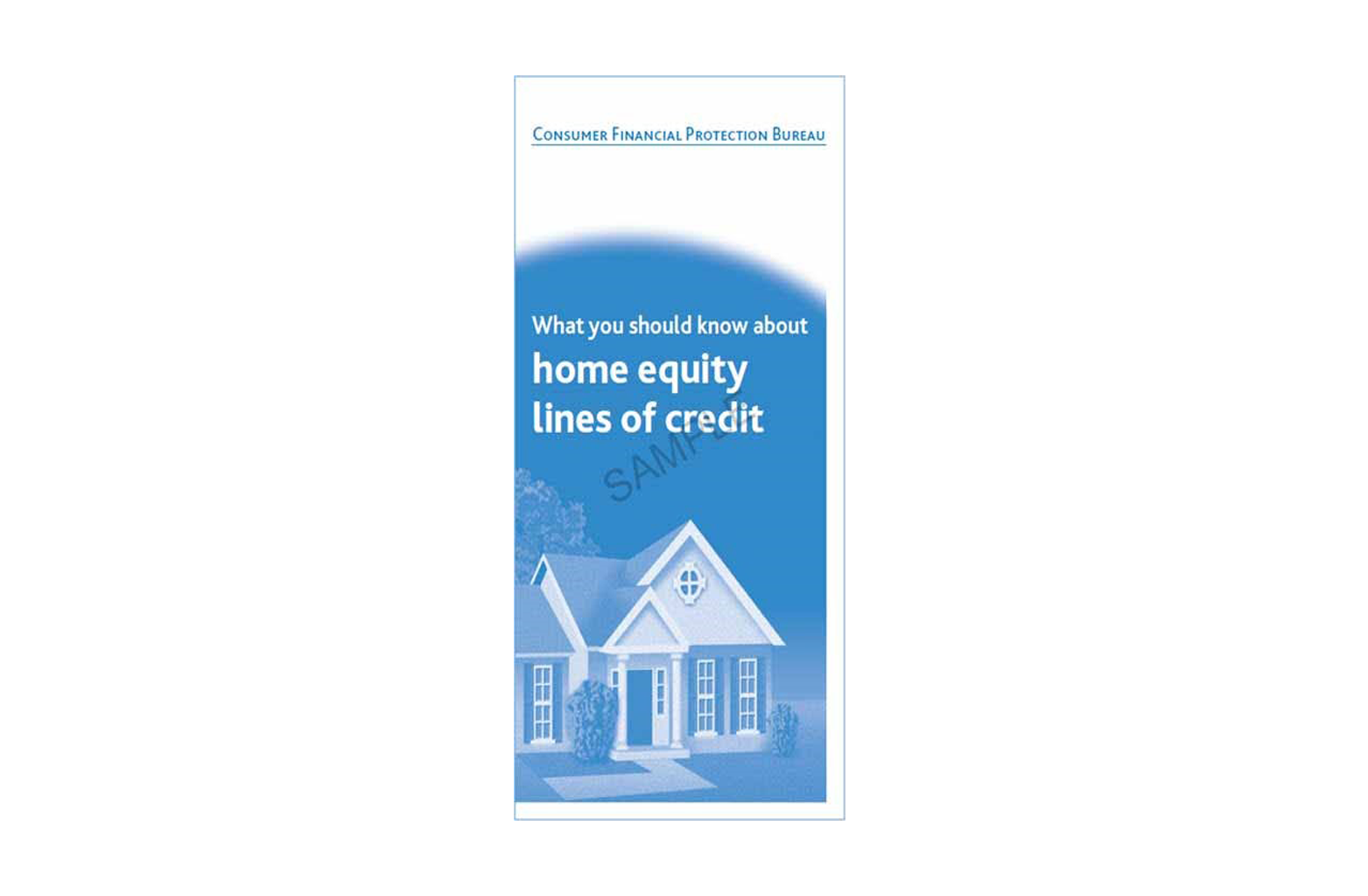
Home Equity Brochure - A home equity line of credit is a form of revolving credit in which your home serves as collateral. Before making a decision, however, you should weigh carefully the costs of a home. Because a home often is a consumer’s most valuable asset, many homeowners use home. Because the home is likely to be a consumer’s largest. The extra half a million dollars seemed to come so easily—on paper, at least. What is a home equity line of credit? That’s an almost 80% increase since early. What is a home equity line of credit? Learn about cfcu’s home equity options in this detailed brochure, covering loan terms, benefits, and ways to access your home’s value. There are two components to the application disclosures: Put simply, home equity is the amount of your home that you actually “own.” it is the fair market value of your home minus any loans you have on the property. A home equity line of credit is a form of revolving credit in which your home serves as collateral. Becu provides home equity lines of credit and home improvement loans. What is a home equity line of credit? Cons of home equity loans. A home equity line of credit is a form of revolving credit in which your home serves as collateral. Many lenders set the credit limit on a home equity line by taking a percentage (say, 75 percent) of the home’s. Home equity is the difference between what your home is worth and what you still owe on your mortgage. A general information brochure and a more detailed disclosure. A home equity line of credit (heloc) is a loan that allows you to borrow, spend, and repay as you go, using your home as collateral. A home equity line of credit is a form of revolving credit in which your home serves as collateral. Home equity is the difference between what your home is worth and what you still owe on your mortgage. A home equity line of credit is a form of revolving credit in which your home serves as collateral. 4.5/5 (20k reviews). Home equity is the difference between what your home is worth and what you still owe on your mortgage. Many lenders set the credit limit on a home equity line by taking a percentage (say, 75 percent) of the home’s. A home equity line of credit is a form of revolving credit in which your home serves as collateral. A. A general information brochure and a more detailed disclosure. Home equity is the difference between what your home is worth and what you still owe on your mortgage. 4.5/5 (20k reviews) Because a home often is a consumer’s most valuable asset, many homeowners use home. In simple terms, it’s the portion of your. A home equity agreement or investment (hea or hei) is a unique strategy to leverage the equity you have in your home instead of taking on more debt. The extra half a million dollars seemed to come so easily—on paper, at least. 4.5/5 (20k reviews) With a home equity line, you will be approved for a specific amount of credit.. A home equity line of credit (heloc) is a loan that allows you to borrow, spend, and repay as you go, using your home as collateral. A brochure is a suitable substitute for the home equity brochure, “what you should know about home equity lines of credit,” (available on the bureau's web site) if it is, at a minimum,. A. Home equity investment agreements often include strict terms and conditions.the contract may require you to sell your home within a set. The general information brochure was written by the federal. There are two components to the application disclosures: Because the home is likely to be a consumer’s largest. A home equity line is a form of revolving credit in which. Home equity is the difference between what your home is worth and what you still owe on your mortgage. With a home equity line, you will be approved for a specific amount of credit. A home equity agreement or investment (hea or hei) is a unique strategy to leverage the equity you have in your home instead of taking on. Because a home often is a consumer’s most valuable asset, many homeowners use home. What is home equity, and why does it matter? Becu provides home equity lines of credit and home improvement loans. 680, though for loans of $150,000 or. With a home equity line, you will be approved for a specific amount of credit. In simple terms, it’s the portion of your. Reviewed by 1,000sconsumervoice.org pickstrusted reviews What is home equity, and why does it matter? Freddie mac's entry into the market could result in $980 billion of home equity financing becoming available to americans, with that number growing to $3 trillion, fannie. What is a home equity line of credit? A general information brochure and a more detailed disclosure. Learn about cfcu’s home equity options in this detailed brochure, covering loan terms, benefits, and ways to access your home’s value. In simple terms, it’s the portion of your. Typically, you can borrow up to a specified percentage of. A home equity line of credit is a form of revolving credit. What is a home equity line of credit? The extra half a million dollars seemed to come so easily—on paper, at least. Because a home often is a consumer’s most valuable asset, many homeowners use home. Reviewed by 1,000sconsumervoice.org pickstrusted reviews Home improvementlarge purchaselower monthly paymentno hidden fees A home equity line of credit (heloc) is a loan that allows you to borrow, spend, and repay as you go, using your home as collateral. A general information brochure and a more detailed disclosure. The equity wealth that americans have amassed has been well documented—to the tune of about $35 trillion in total home equity. A brochure is a suitable substitute for the home equity brochure, “what you should know about home equity lines of credit,” (available on the bureau's web site) if it is, at a minimum,. A home equity line of credit is a form of revolving credit in which your home serves as collateral. Freddie mac's entry into the market could result in $980 billion of home equity financing becoming available to americans, with that number growing to $3 trillion, fannie. A home equity agreement or investment (hea or hei) is a unique strategy to leverage the equity you have in your home instead of taking on more debt. It helps you explore and understand your options when. Before making a decision, however, you should weigh carefully the costs of a home. A home equity line is a form of revolving credit in which your home serves as collateral. A home equity line of credit is a form of revolving credit in which your home serves as collateral.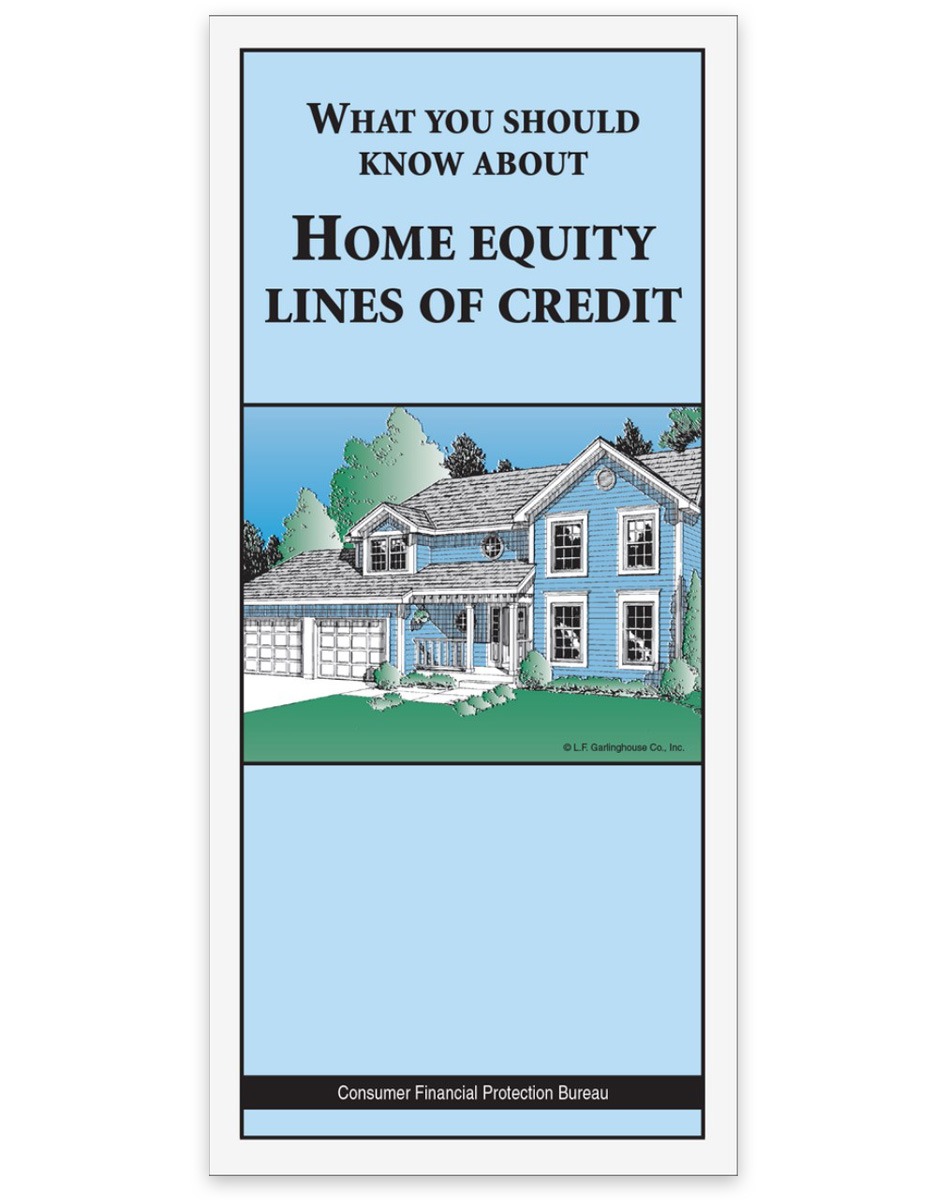
Home Equity Line of Credit (HELOC) Booklet
Home Equity Line of Credit Brochure (1) Northwoods Credit Union

Home Equity Guide

Seeking Home Equity California Association of REALTORS Infographic

What You Should Know About Home Equity Lines of Credit Wolters Kluwer
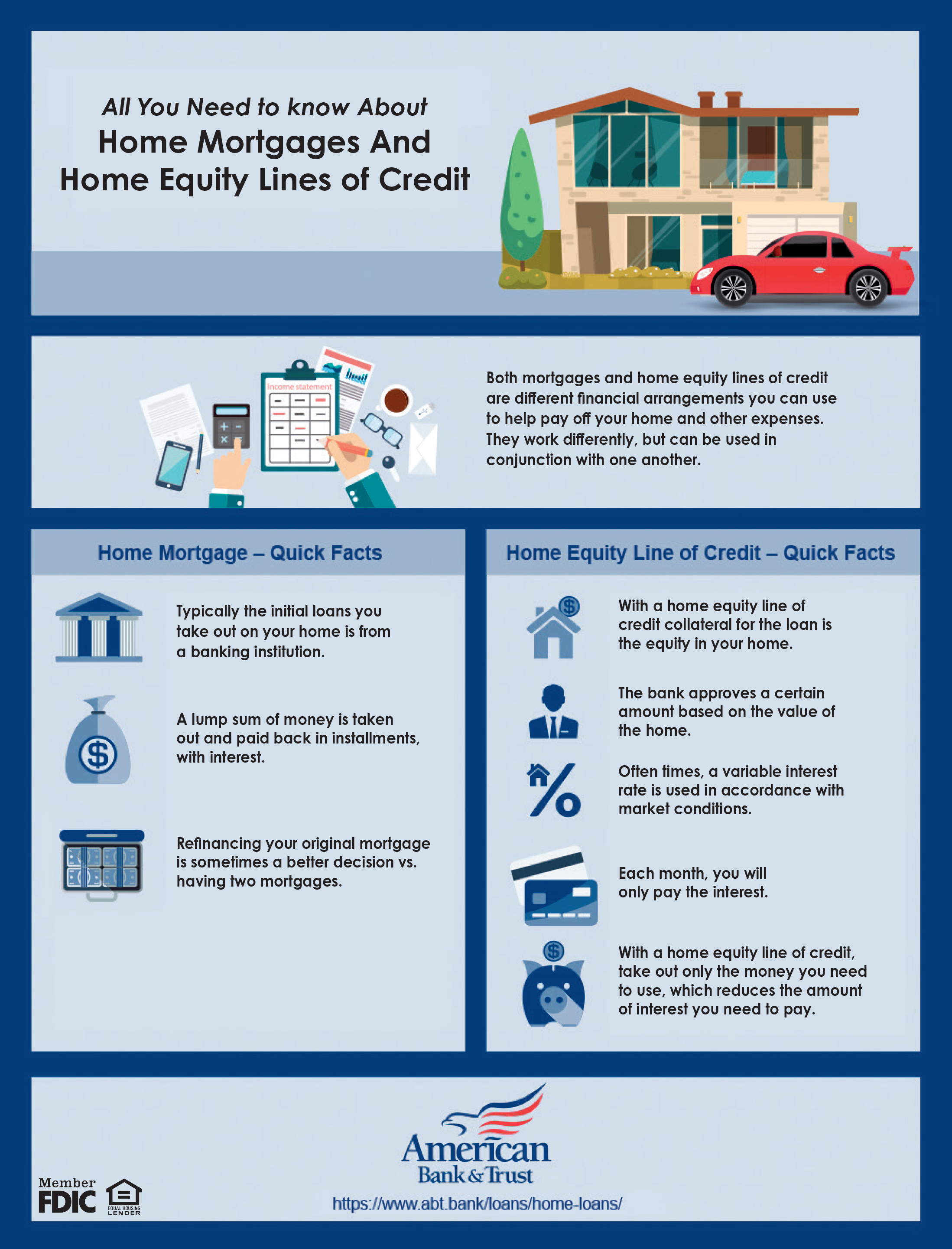
All You Need to Know About Home Mortgages and Home Equity Lines of

What You Should Know About Home Equity Lines of Credit (Package of 100

Fillable Online Home Equity Brochure Fax Email Print pdfFiller
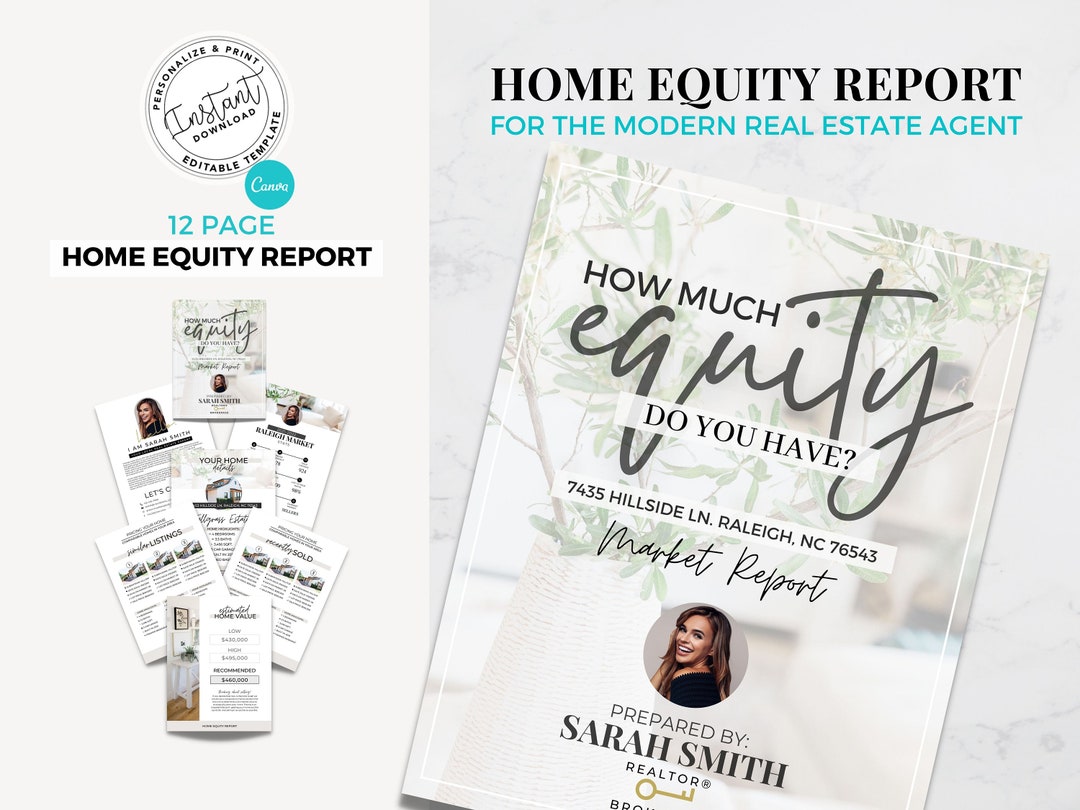
Home Equity Report, CMA Packet, Real Estate Template, Comparative
Printed IRA, HSA and mortgage materials Wolters Kluwer
Closing Costs — Not All Lenders Will Charge Fees For A Home Equity Loan, But Typical Closing Costs Range From 2% To 6%.
Becu Provides Home Equity Lines Of Credit And Home Improvement Loans.
What Is A Home Equity Line Of Credit?
Because The Home Is Likely To Be A Consumer’s Largest Asset, Many.
Related Post: