
Cdc Hand Washing Brochure
Cdc Hand Washing Brochure - Hands that look clean can still have icky germs! Hand hygiene is the process of cleaning one’s hands to prevent the spread of infectious diseases. Teach kids the five easy steps for handwashing—wet, lather, scrub, rinse, and dry—and the key times to wash hands, such as after using the bathroom or before eating. Wash your hands with soap and water as soon as possible. You, your loved ones, and your healthcare providers should practice hand hygiene. Since many diseases spread to others through dirty. Hand washing is the single most effective way to prevent the spread of infections. Clean hands count campaign offers posters, factsheets, and brochures for healthcare providers and patients. • in the united states, hospital patients • before. You can take action by practicing hand hygiene. What barriers might people have that prevent them from washing their hands? Clean hands count campaign offers posters, factsheets, and brochures for healthcare providers and patients. Be sure to tell cdc who your clean hands count for using. • in the united states, hospital patients • before. Every patient is at risk of getting an infection while they are being treated for something else. Hand washing is the single most effective way to prevent the spread of infections. You can find ways to. Many studies show that the bacteria that causes infections are often spread from one patient to another on. Clean hands count campaign offers posters, factsheets, and brochures for healthcare providers and patients. This material was developed by cdc. You, your loved ones, and your healthcare providers should practice hand hygiene. You can find ways to. You can take action by practicing hand hygiene. Make sure that your healthcare providers wear gloves and clean their hands when caring for you. Cdc hand hygiene brochure:layout 1 5/12/08 9:18 pm page 1 hand hygiene is the #1 way to prevent the. Be sure to tell cdc who your clean hands count for using. Every patient is at risk of getting an infection while they are being treated for something else. Make sure that your healthcare providers wear gloves and clean their hands when caring for you. Hand hygiene is the process of cleaning one’s hands to prevent the spread of infectious. Hand hygiene is the process of cleaning one’s hands to prevent the spread of infectious diseases. You can take action by practicing hand hygiene. The clean hands count campaign is made possible by. When do you generally wash your hands? Be sure to tell cdc who your clean hands count for using. Hands that look clean can still have icky germs! Make sure that your healthcare providers wear gloves and clean their hands when caring for you. • in the united states, hospital patients • before. To prevent hospital you should practice infections. Hand hygiene means cleaning your hands with: The clean hands count campaign is made possible by. Hands that look clean can still have icky germs! This material was developed by cdc. You, your loved ones, and your healthcare providers should practice hand hygiene. Cleaning your hands is a great way to protect yourself from serious infections. This material was developed by cdc. Wash your hands with soap and water as soon as possible. Cdc hand hygiene brochure:layout 1 5/12/08 9:18 pm page 2 why? Every patient is at risk of getting an infection while they are being treated for something else. Be sure to tell cdc who your clean hands count for using. Handwashing with water and soap (e.g., plain soap or with an antiseptic). Hand hygiene means cleaning your hands with: Clean hands count campaign offers posters, factsheets, and brochures for healthcare providers and patients. Every patient is at risk of getting an infection while they are being treated for something else. Make sure that your healthcare providers wear gloves and clean. When do you generally wash your hands? Every patient is at risk of getting an infection while they are being treated for something else. Hand hygiene means cleaning your hands with: Be sure to tell cdc who your clean hands count for using. You, your loved ones, and your healthcare providers should practice hand hygiene. Many studies show that the bacteria that causes infections are often spread from one patient to another on. Hand washing is the single most effective way to prevent the spread of infections. You can take action by practicing hand hygiene. Test!” find the course at. Every patient is at risk of getting an infection while they are being treated for. Hand hygiene is the process of cleaning one’s hands to prevent the spread of infectious diseases. Make sure that your healthcare providers wear gloves and clean their hands when caring for you. Test!” find the course at. You can take action by practicing hand hygiene. Cdc hand hygiene brochure:layout 1 5/12/08 9:18 pm page 1 hand hygiene is the #1. Wash your hands with soap and water as soon as possible. Many studies show that the bacteria that causes infections are often spread from one patient to another on. You can take action by practicing hand hygiene. Cleaning your hands is a great way to protect yourself from serious infections. Handwashing with water and soap (e.g., plain soap or with an antiseptic). What barriers might people have that prevent them from washing their hands? Hands that look clean can still have icky germs! Be sure to tell cdc who your clean hands count for using. Clean hands count campaign offers posters, factsheets, and brochures for healthcare providers and patients. Teach kids the five easy steps for handwashing—wet, lather, scrub, rinse, and dry—and the key times to wash hands, such as after using the bathroom or before eating. When do you generally wash your hands? Since many diseases spread to others through dirty. Hand hygiene means cleaning your hands with: Clean hands count campaign offers posters, factsheets, and brochures for healthcare providers and patients. Test!” find the course at. • in the united states, hospital patients • before.
Hand Hygiene Basics from the CDC poster Preventative health, Proper
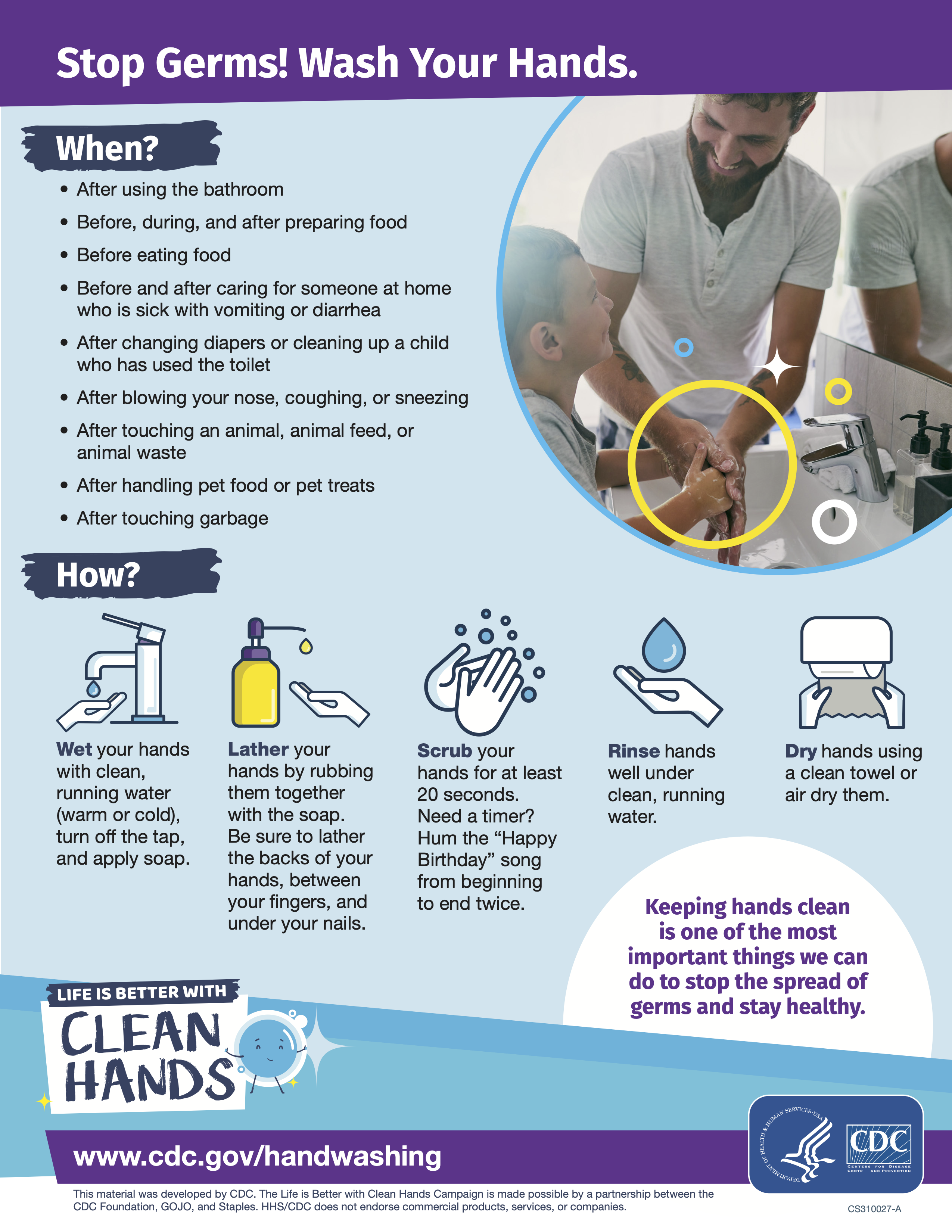
Hand Washing Basics to Protect Against Coronavirus DP Supply, Inc.

Handwashing CDC guide CS 314181U PO 07/13/ cdc/coronavirus
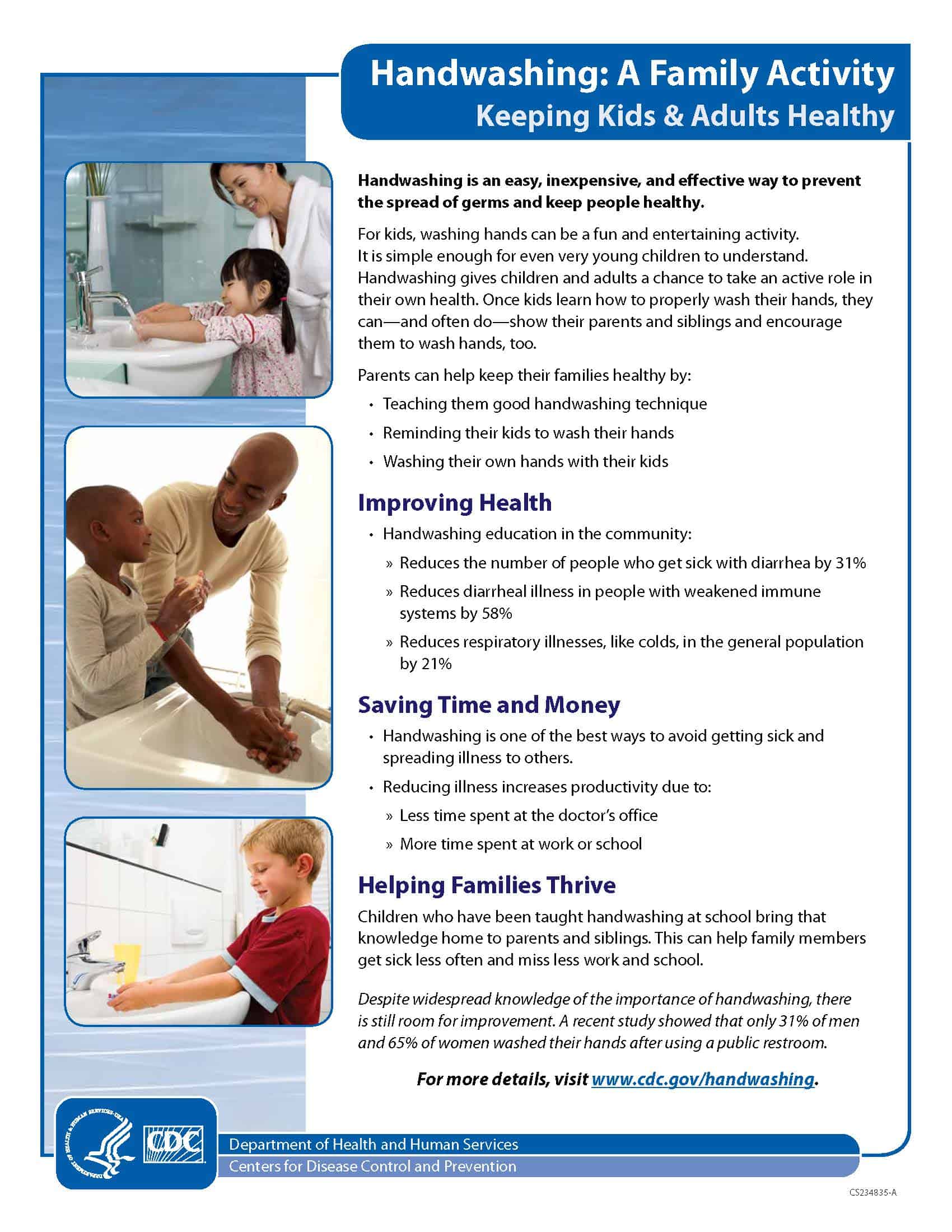
Healthy Kid Happy Holiday Fight Bac!
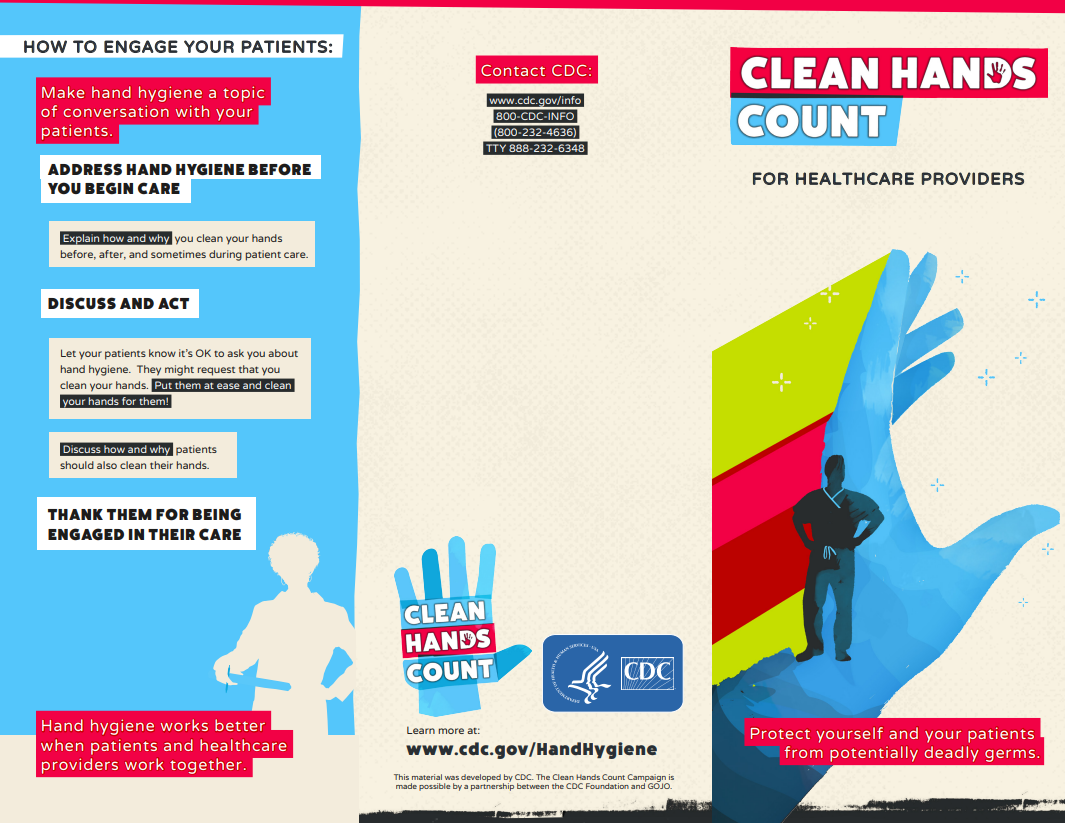
Clean Hands Count Materials Clean Hands CDC

The CDC says 95 percent of us get an F in hand washing and are

Handwashing Brochure
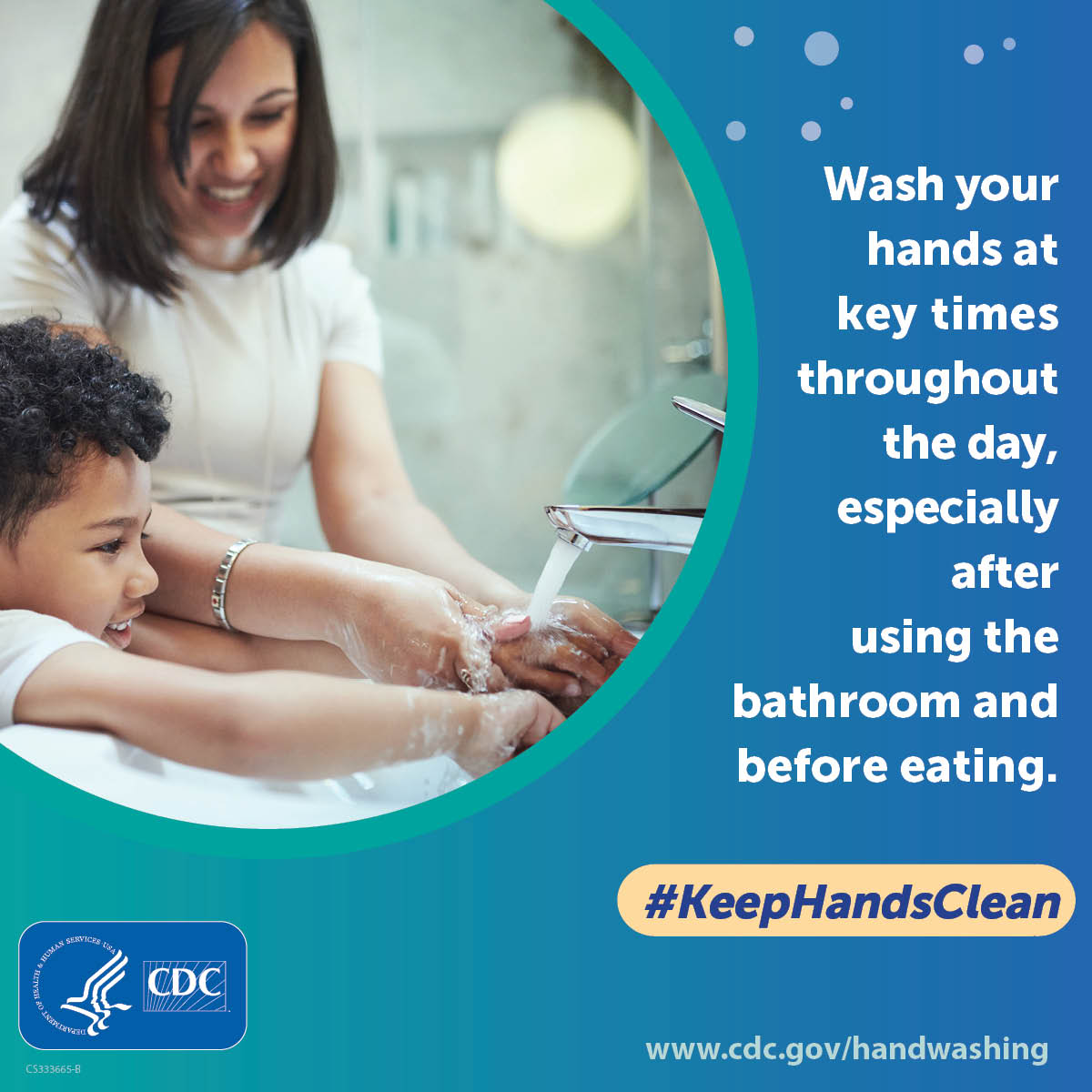
Health Promotion Materials Clean Hands CDC
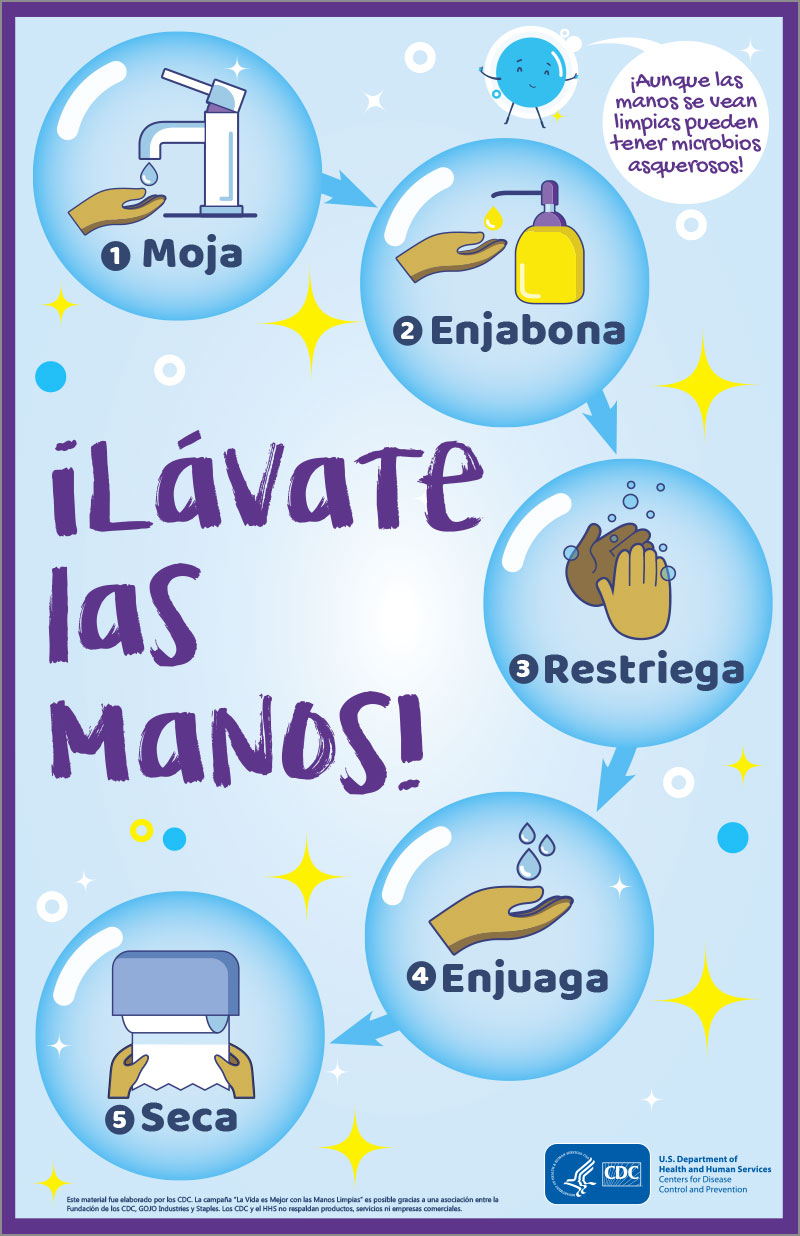
CDC Official Wash Your Hands Poster SaniStands

Communication Resources Natural Disasters CDC
Make Sure That Your Healthcare Providers Wear Gloves And Clean Their Hands When Caring For You.
The Life Is Better With Clean Hands Campaign Is Made Possible By A.
You Can Find Ways To.
You, Your Loved Ones, And Your Healthcare Providers Should Practice Hand Hygiene.
Related Post: