
Brochure Paper Thickness
Brochure Paper Thickness - Ideal for everyday use such as printing standard documents, reports, and forms. You have paper stock and card stock — let’s differentiate the two. What paper should i use for my brochure? The thickness of the paper is known as paper density. Therefore, it can be flimsy and. Everything you need to know to choose paper for your printed brochure. However, the weight of a sheet of paper can vary depending on the type of. Paper stock is thinner than card stocks and uses pound (lb. Paper stock selection depends on brand positioning and budget. Or #) as a way of identifying. Or ) as a way of identifying. There are two main types of paper weight for brochures: This really boils down to preference, but in general, here is a quick guide: Paper weight, often measured in gsm (grams per square meter), determines the thickness and sturdiness of the paper. Paper density refers to the thickness of the paper and is measured in gsm (grams per square metre). Everything you need to know to choose paper for your printed brochure. By carefully choosing the appropriate stock, you can ensure. Confused about paper thickness, sizes, and printing terms? Common weights for brochures include:. Thicker paper feels premium, handles ink better, and is ideal for business cards, brochures, and invitations. Or #) as a way of identifying. There are two main types of paper weight for brochures: Everything you need to know to choose paper for your printed brochure. Here at digitalprinting.co.uk, we offer a wide range of weights for you to choose from for your. Thicker paper feels premium, handles ink better, and is ideal for business cards, brochures,. Therefore, it can be flimsy and. Our paper weight chart will help you to compare different paper thickness and find the right one for your print project. Paper density refers to the thickness of the paper and is measured in gsm (grams per square metre). In addition to paper weight, this is a measure of board thickness. You have paper. You have paper stock and card stock — let’s differentiate the two. The lightest and most cost effective paper weight for brochures is 70 lb text. As a minimum, we recommend using 250 gsm coated stock for your postcard, as this is robust enough to. Or #) as a way of identifying. Paper stock selection depends on brand positioning and. Paper stock selection depends on brand positioning and budget. In addition to paper weight, this is a measure of board thickness. Therefore, it can be flimsy and. Follow this guide to learn the best practices for picking out the best paper for your brochure. By carefully choosing the appropriate stock, you can ensure. — represents the thickness in thousandths of an inch. Or #) as a way of identifying. A step up in quality and feel, perfect for professional. Paper stock selection depends on brand positioning and budget. Paper density refers to the thickness of the paper and is measured in gsm (grams per square metre). Everything you need to know to choose paper for your printed brochure. This is rarely used for brochures as it is. Ideal for everyday use such as printing standard documents, reports, and forms. Or ) as a way of identifying. Paper weight refers to the thickness of the sheet of paper that you pick for your printed product. Everything you need to know to choose paper for your printed brochure. Paper density refers to the thickness of the paper and is measured in gsm (grams per square metre). Paper stock and card stock. Options range from 80lb text to 100lb cover stock. Common weights for brochures include:. Selecting the right paper thickness and type for your brochure is essential for creating a lasting impression. The lightest and most cost effective paper weight for brochures is 70 lb text. Follow this guide to learn the best practices for picking out the best paper for your brochure. A step up in quality and feel, perfect for professional. A higher. Cardstock paper weight is measured in points. — represents the thickness in thousandths of an inch. Common weights for brochures include:. There are two main types of paper weight for brochures: Confused about paper thickness, sizes, and printing terms? Here at digitalprinting.co.uk, we offer a wide range of weights for you to choose from for your. Or ) as a way of identifying. For example, a standard sheet of printer paper measures 21 x 29.7 cm and weighs 90 grams per square meter. — represents the thickness in thousandths of an inch. In this post, we will differentiate paper. Common weights for brochures include:. Paper stock and card stock. Paper stock selection depends on brand positioning and budget. In addition to paper weight, this is a measure of board thickness. Selecting the right paper thickness and type for your brochure is essential for creating a lasting impression. The thickness of the paper is known as paper density. This is rarely used for brochures as it is. For example, a standard sheet of printer paper measures 21 x 29.7 cm and weighs 90 grams per square meter. You have paper stock and card stock — let’s differentiate the two. Here are a few standard brochure sizes you’ll likely encounter:. Cardstock paper weight is measured in points. By carefully choosing the appropriate stock, you can ensure. Confused about paper thickness, sizes, and printing terms? Our paper weight chart will help you to compare different paper thickness and find the right one for your print project. Paper density refers to the thickness of the paper and is measured in gsm (grams per square metre). Everything you need to know to choose paper for your printed brochure.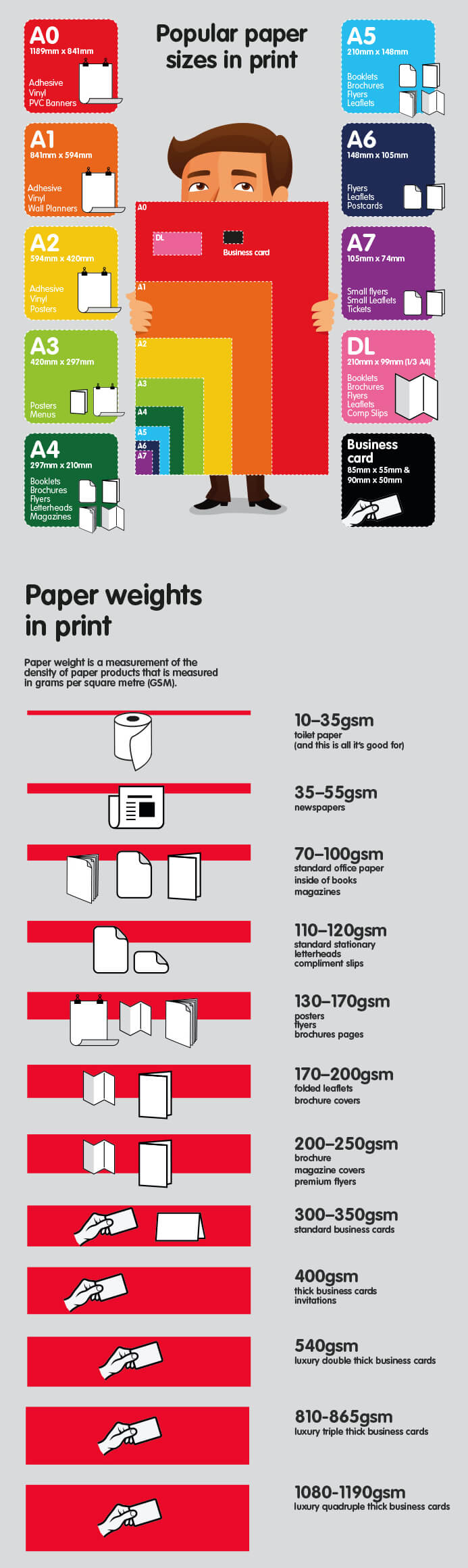
Paper Weight Paper Thickness Paper Weight Guide

Brochure Size 101 A Beginner's Guide

What Is The Difference Between 80 lb and 100 lb Paper?
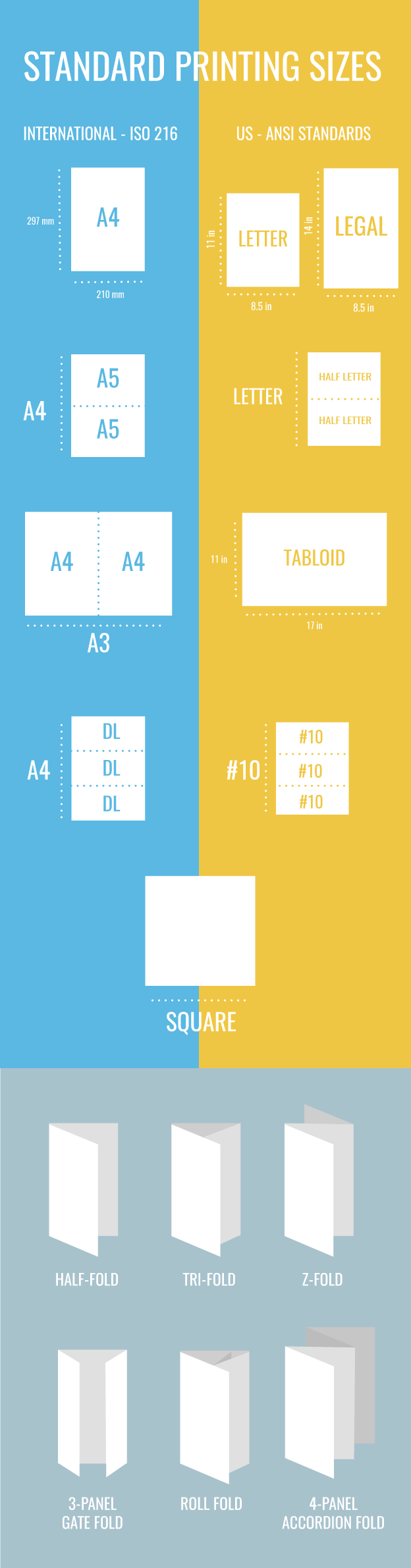
Standard brochure sizes for print
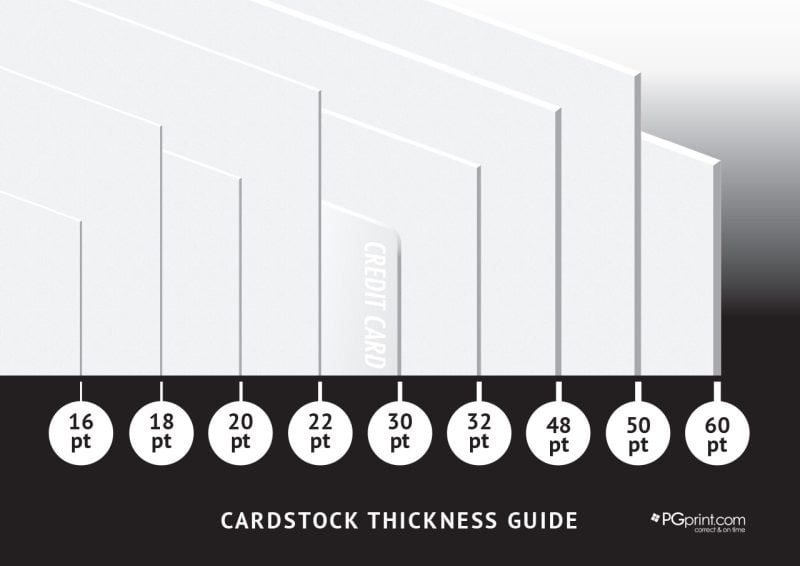
A Guide to Paper Types and Sizes PGprint
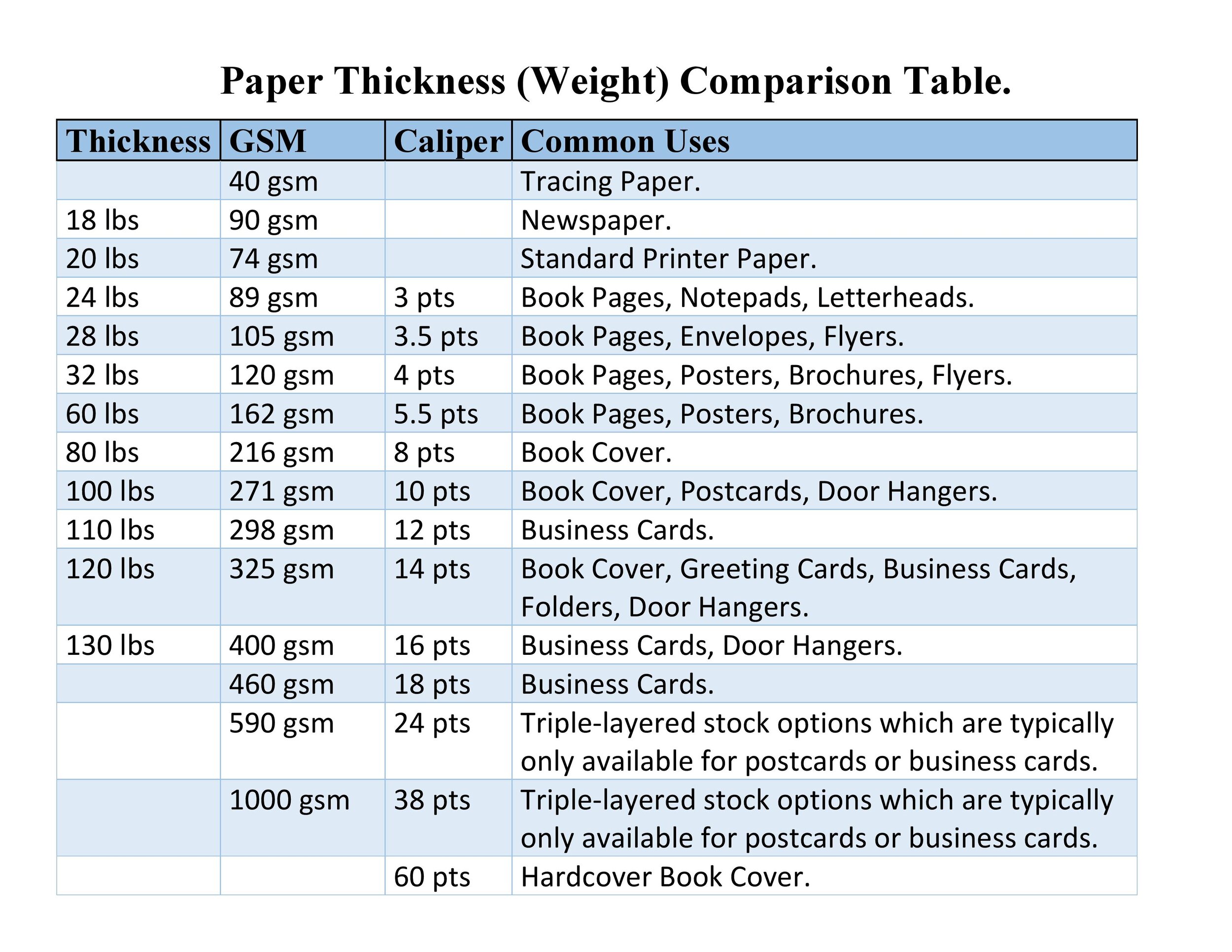
GENERAL INFORMATION ABOUT PRINTING — Net Plaza Print Shop

Thickness Of Paper Lifestyle Crafts A2 White Letterpress Paper
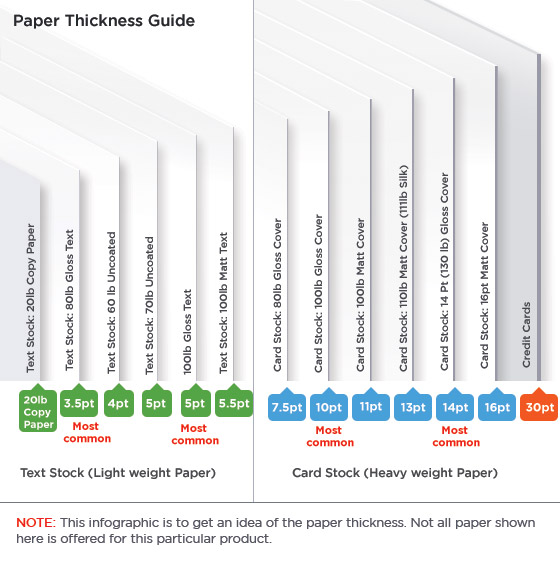
Professional Booklet Printing Services PrintPapa
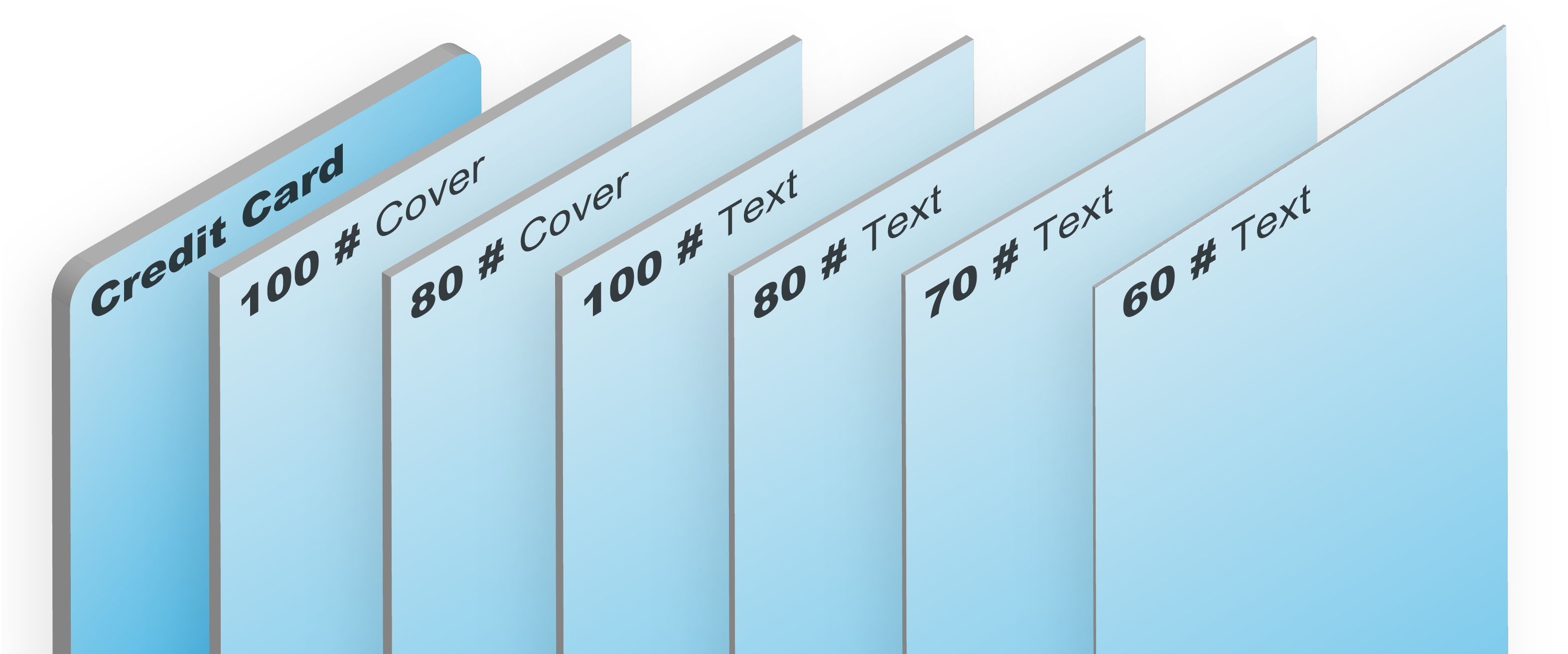
Custom Brochure Printing PrintingCenterUSA

Brochure Size 101 A Beginner's Guide
A Higher Gsm Equates To A Thicker Paper Which May Give A More.
Or ) As A Way Of Identifying.
Each Point — Such As 12 Pt.
What Paper Should I Use For My Brochure?
Related Post: