
Brochure Binding Methods
Brochure Binding Methods - We look at two of the most popular binding options used for producing booklets, brochures and magazines. The actual method of finishing a brochure is known as binding and although there are many methods we thought it might be of help to list some of the more popular ones. When you create leaflets, reports, or booklets for your company, here are a variety of binding types from which you can choose. The answer depends on the. Which one is best for you? Known in the industry as 'saddle stitching', using staples is probably the simplest. When combined with additional finishing features such as lamination, embossing, foiling, spot. Different documents require different types of binding depending on the. Saddle stitching, perfect binding and coil binding. Whether it’s saddle stitch or spiral binding, aesthetics. Your choice of brochure binding method will either enhance the look of your print material or make it less than desirable. Whether it’s saddle stitch or spiral binding, aesthetics. The answer depends on the. Known in the industry as 'saddle stitching', using staples is probably the simplest. Binding is the process by which the pages of a printed product are joined to each other to create a publication, like a book, catalogue, brochure, magazine or thesis. Binding is the process of fastening papers together to form a book, booklet, or brochure, providing both protection and a polished look. There are many different types of binding methods out there that designers and students use for dissertations, portfolios, pitch documents and books. When combined with additional finishing features such as lamination, embossing, foiling, spot. The actual method of finishing a brochure is known as binding and although there are many methods we thought it might be of help to list some of the more popular ones. Which one is best for you? Firstly i’ll run through the. When combined with additional finishing features such as lamination, embossing, foiling, spot. The answer depends on the. Each binding option has unique benefits depending on the end use of your project. Below are some of the common terms for these various methods: Learn about the different types of binding methods including: There are many brochure binding methods for finishing your printed works, and each has both advantages and disadvantages. When combined with additional finishing features such as lamination, embossing, foiling, spot. Your choice of brochure binding method will either enhance the look of your print material or make it less than desirable.. Learn about the different types of binding methods including: When we refer to bindings, we’re discussing the various. Binding is the process by which the pages of a printed product are joined to each other to create a publication, like a book, catalogue, brochure, magazine or thesis. Which one is best for you? There are many different types of binding. Learn about the different types of binding methods including: When we refer to bindings, we’re discussing the various. We look at two of the most popular binding options used for producing booklets, brochures and magazines. The answer, simply, is no. Different documents require different types of binding depending on the. Saddle stitching, perfect binding and coil binding. This final stage of the print finishing process. There are many different types of binding methods out there that designers and students use for dissertations, portfolios, pitch documents and books. While we can’t tell you which binding process is right for your. Which one is best for you? When you create leaflets, reports, or booklets for your company, here are a variety of binding types from which you can choose. Binding is the process of fastening papers together to form a book, booklet, or brochure, providing both protection and a polished look. There are many brochure binding methods for finishing your printed works, and each has both advantages. Known in the industry as 'saddle stitching', using staples is probably the simplest. There are many techniques to bind paper together in pamphlet/brochure/book form. There are many brochure binding methods for finishing your printed works, and each has both advantages and disadvantages. Binding is the process by which the pages of a printed product are joined to each other to. Known in the industry as 'saddle stitching', using staples is probably the simplest. While we can’t tell you which binding process is right for your. Binding is the process by which the pages of a printed product are joined to each other to create a publication, like a book, catalogue, brochure, magazine or thesis. Which one is best for you?. Binding is the process by which the pages of a printed product are joined to each other to create a publication, like a book, catalogue, brochure, magazine or thesis. The actual method of finishing a brochure is known as binding and although there are many methods we thought it might be of help to list some of the more popular. Binding is the process of fastening papers together to form a book, booklet, or brochure, providing both protection and a polished look. Learn about the different types of binding methods including: There are many brochure binding methods for finishing your printed works, and each has both advantages and disadvantages. Whether it’s saddle stitch or spiral binding, aesthetics. Known in the. Your choice of brochure binding method will either enhance the look of your print material or make it less than desirable. Whether it’s saddle stitch or spiral binding, aesthetics. There are many brochure binding methods for finishing your printed works, and each has both advantages and disadvantages. This final stage of the print finishing process. Binding is the process by which the pages of a printed product are joined to each other to create a publication, like a book, catalogue, brochure, magazine or thesis. The answer depends on the. While we can’t tell you which binding process is right for your. When we refer to bindings, we’re discussing the various. Binding is the process of fastening papers together to form a book, booklet, or brochure, providing both protection and a polished look. Known in the industry as 'saddle stitching', using staples is probably the simplest. We look at two of the most popular binding options used for producing booklets, brochures and magazines. Learn about the different types of binding methods including: When combined with additional finishing features such as lamination, embossing, foiling, spot. The actual method of finishing a brochure is known as binding and although there are many methods we thought it might be of help to list some of the more popular ones. Firstly i’ll run through the. The answer, simply, is no.
side sewn binding Booklet, Binding, Brochure

Booklet Binding Methods PrintRunner
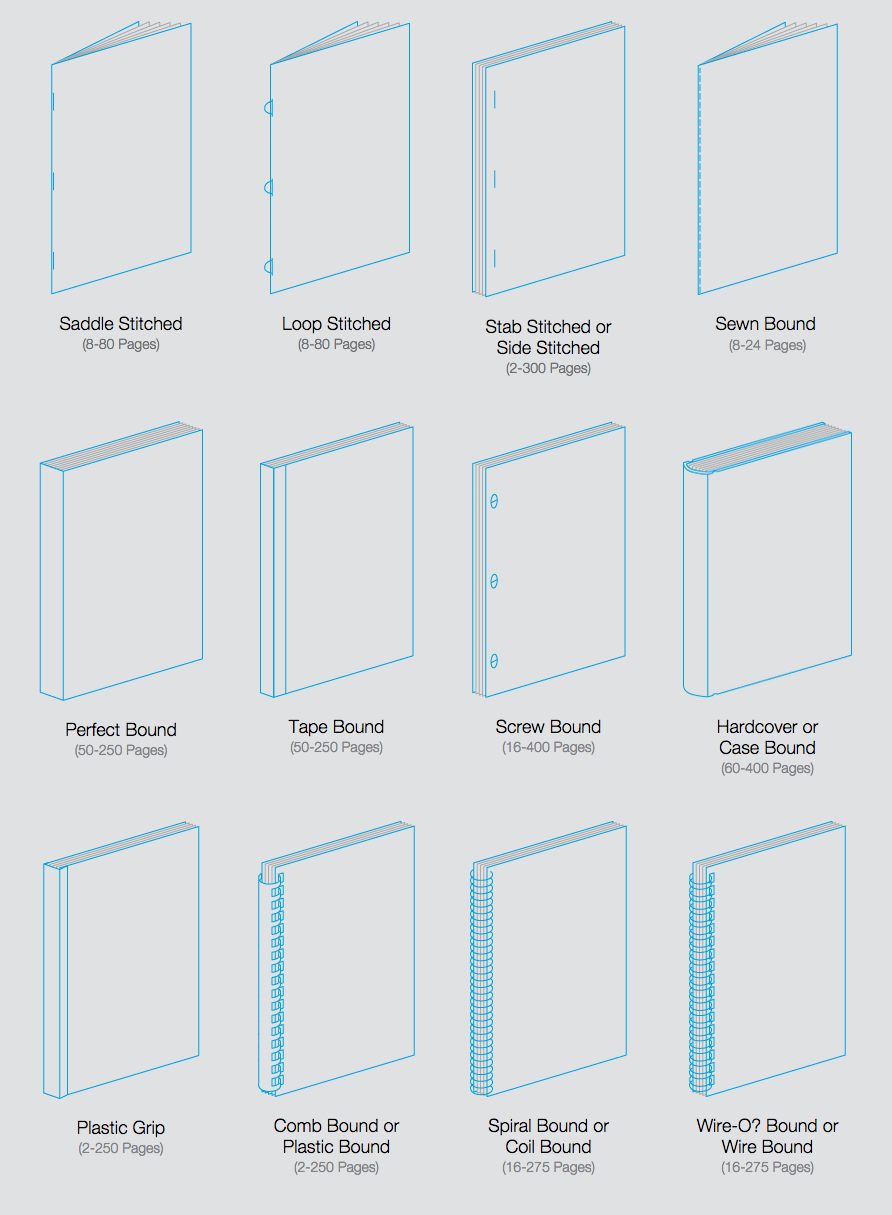
Booklet Binding 101
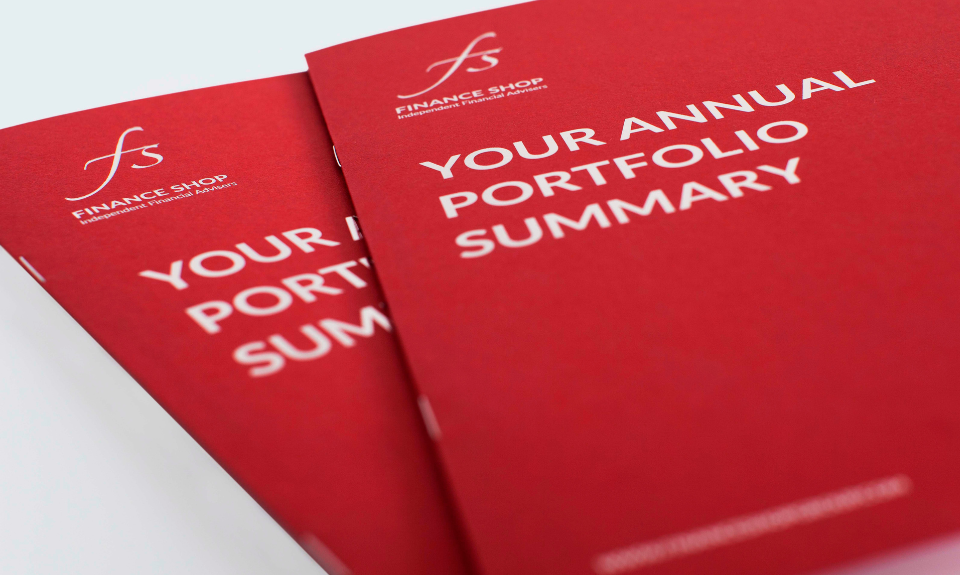
Take the bind out of brochure binding KNP Litho
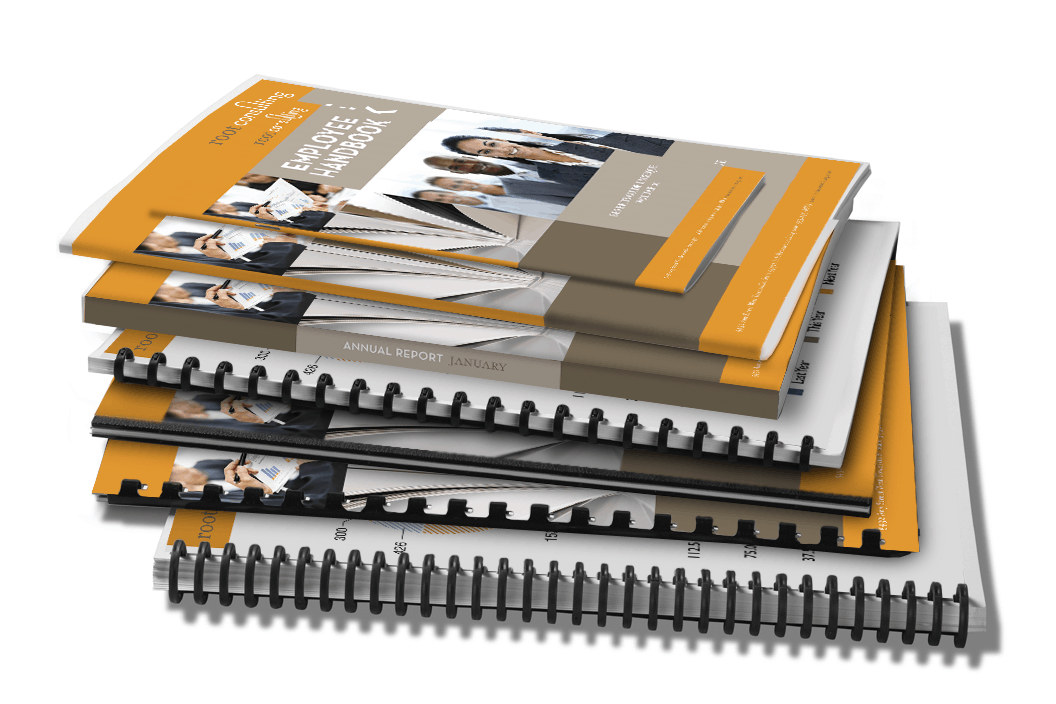
Different Types of Book Binding Choosing the Best Option
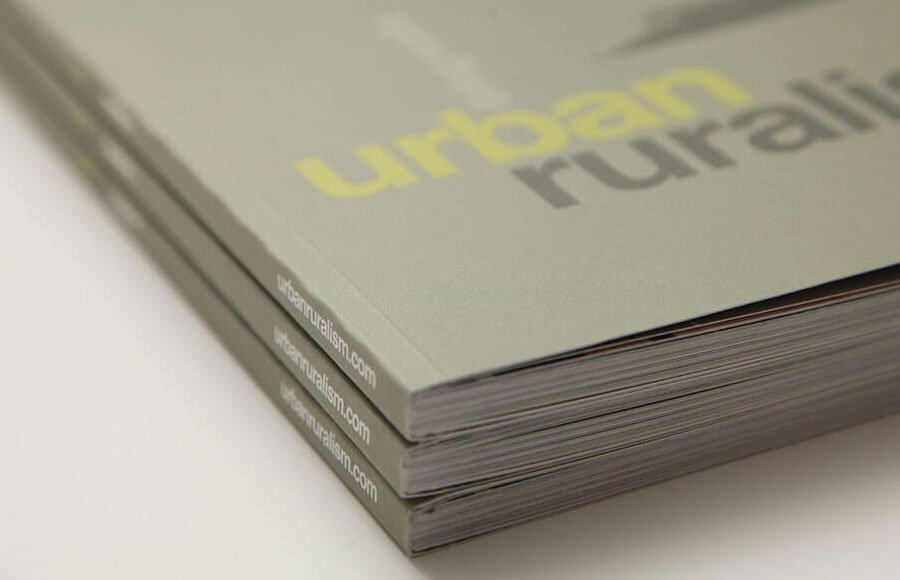
What's the best binding method for my brochure? Action Press
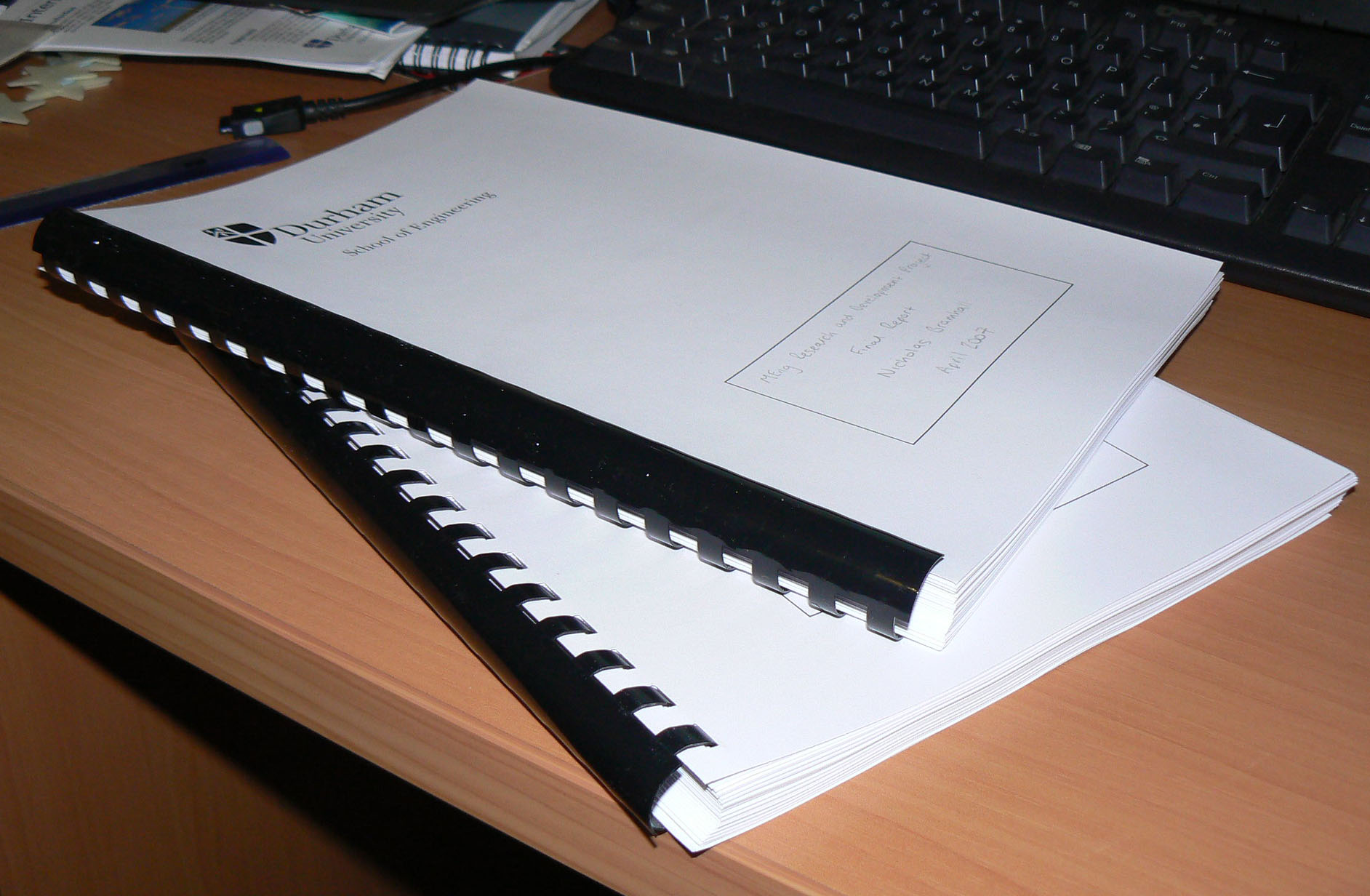
6 Common Types of Binding Methods PRINTFINISH

Types of Brochure Binding

Take the bind out of brochure binding KNP Litho

Binding Cheat Sheet Book binding methods, Book binding types, Book
There Are Many Techniques To Bind Paper Together In Pamphlet/Brochure/Book Form.
Brochure Design Transforms Basic Information Into Compelling Visual Storytelling.it’s Where Print Marketing Materials Meet Strategic Communication.
When You Create Leaflets, Reports, Or Booklets For Your Company, Here Are A Variety Of Binding Types From Which You Can Choose.
There Are Many Different Types Of Binding Methods Out There That Designers And Students Use For Dissertations, Portfolios, Pitch Documents And Books.
Related Post: