
Bleed For Brochure
Bleed For Brochure - This is also called borderless printing and is commonly seen on book covers, posters, flyers and postcards, but is less. The minimum amount of bleed should be around 0.125 (3mm) outside your document final size, ideally 0.25 (6mm). It’s easy to focus on achieving the most beautiful design, without leaving. Leave 0.25 inches from the edge to protect text or logos, or add a thin line around your design as a visual guide. Bleed refers to the area outside the trim line of a printed document. When it comes to professional printing, “bleed” is an essential concept that ensures your designs look polished and without any unwanted borders. Each printer has his own requirement for this. Bleed is so often forgotten about. A bleed is primarily used for flyers, magazine covers, advertisements,. You need a bleed area to ensure that if any slight movement occurs during the printing and. It is essential in printing almost all types of paper print products including business. Bleeds extend beyond the final trim size of your document, while margins are the inner space. Bleed refers to the area outside the trim line of a printed document. 4/5 (201 reviews) Paying attention to bleed in printing helps you create stunning interior layouts and covers from one edge of the page to the other. You need a bleed area to ensure that if any slight movement occurs during the printing and. The minimum amount of bleed should be around 0.125 (3mm) outside your document final size, ideally 0.25 (6mm). Bleeds are crucial for everything from posters. This is also called borderless printing and is commonly seen on book covers, posters, flyers and postcards, but is less. It’s easy to focus on achieving the most beautiful design, without leaving. The minimum amount of bleed should be around 0.125 (3mm) outside your document final size, ideally 0.25 (6mm). Bleeds extend beyond the final trim size of your document, while margins are the inner space. Bleed is the extra space around the outside of your document that will be cut off during production. Bleeds are crucial for everything from posters. Leave. When it comes to professional printing, “bleed” is an essential concept that ensures your designs look polished and without any unwanted borders. One crucial aspect of this detail is bleed—an. Bleeds are crucial for everything from posters. Bleeds are when print coverage extends to the edge of the. It’s easy to focus on achieving the most beautiful design, without leaving. Bleed refers to the area outside the trim line of a printed document. It is essential in printing almost all types of paper print products including business. Whether you're creating business cards, flyers, or brochures, achieving a polished and professional look requires attention to detail. Each printer has his own requirement for this. Leave 0.25 inches from the edge to. It is essential for the customer to know what full bleed is, and. Bleed measurement bleed measurement is not the same everywhere. Improper design of full bleed is the number 1 cause of delays when customers order prints from a company. It’s easy to focus on achieving the most beautiful design, without leaving. This is also called borderless printing and. Bleeds extend beyond the final trim size of your document, while margins are the inner space. Bleed is so often forgotten about. A bleed is primarily used for flyers, magazine covers, advertisements,. Partial bleed shows that only some elements will be shown to the edge, leaving a white space margin. This is also called borderless printing and is commonly seen. When it comes to professional printing, “bleed” is an essential concept that ensures your designs look polished and without any unwanted borders. Bleed is so often forgotten about. Paying attention to bleed in printing helps you create stunning interior layouts and covers from one edge of the page to the other. Each printer has his own requirement for this. Learn. Bleeds and margins are the extra space around the edges of your flyer or brochure. When it comes to professional printing, “bleed” is an essential concept that ensures your designs look polished and without any unwanted borders. Bleed refers to the area of your print that. Bleed is the extra space around the outside of your document that will be. When you are creating a new brochure design, you will need to know from the start whether or not you will be printing with a bleed. Learn why bleeds are necessary when sending a design file to a printer, and how to set them up properly. Bleeds are crucial for everything from posters. Each printer has his own requirement for. Each printer has his own requirement for this. Bleeds are when print coverage extends to the edge of the. When you are creating a new brochure design, you will need to know from the start whether or not you will be printing with a bleed. Bleed is so often forgotten about. 4/5 (201 reviews) When designing a custom poster, flyer or brochure for print. Leave 0.25 inches from the edge to protect text or logos, or add a thin line around your design as a visual guide. Learn why bleeds are necessary when sending a design file to a printer, and how to set them up properly. Whether you're creating business cards, flyers, or. It is essential in printing almost all types of paper print products including business. Bleed is the extra space around the outside of your document that will be cut off during production. Whether you're creating business cards, flyers, or brochures, achieving a polished and professional look requires attention to detail. Improper design of full bleed is the number 1 cause of delays when customers order prints from a company. Whether you're creating business cards, brochures, or posters, understanding how to incorporate bleeds and set appropriate margins is essential for achieving a polished and visually appealing. Each printer has his own requirement for this. This is also called borderless printing and is commonly seen on book covers, posters, flyers and postcards, but is less. Bleeds are when print coverage extends to the edge of the. It’s easy to focus on achieving the most beautiful design, without leaving. When you are creating a new brochure design, you will need to know from the start whether or not you will be printing with a bleed. Paying attention to bleed in printing helps you create stunning interior layouts and covers from one edge of the page to the other. Bleeds extend beyond the final trim size of your document, while margins are the inner space. Bleed measurement bleed measurement is not the same everywhere. Learn why bleeds are necessary when sending a design file to a printer, and how to set them up properly. Bleed is so often forgotten about. Bleed is an extension of an image or color(s) that continues beyond the finished trim size.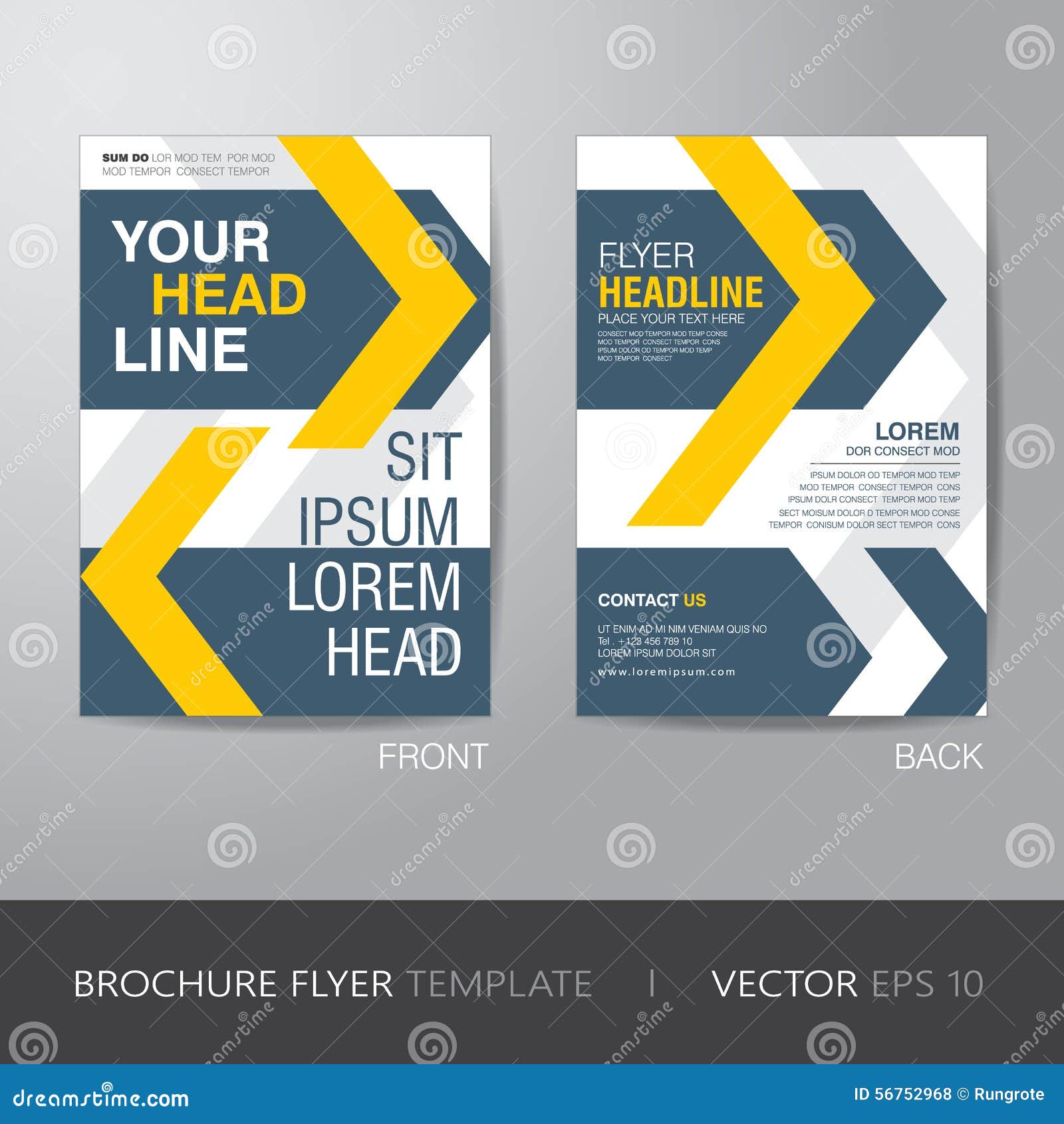
Corporate Brochure Flyer Design Layout Template in A4 Size, with Stock
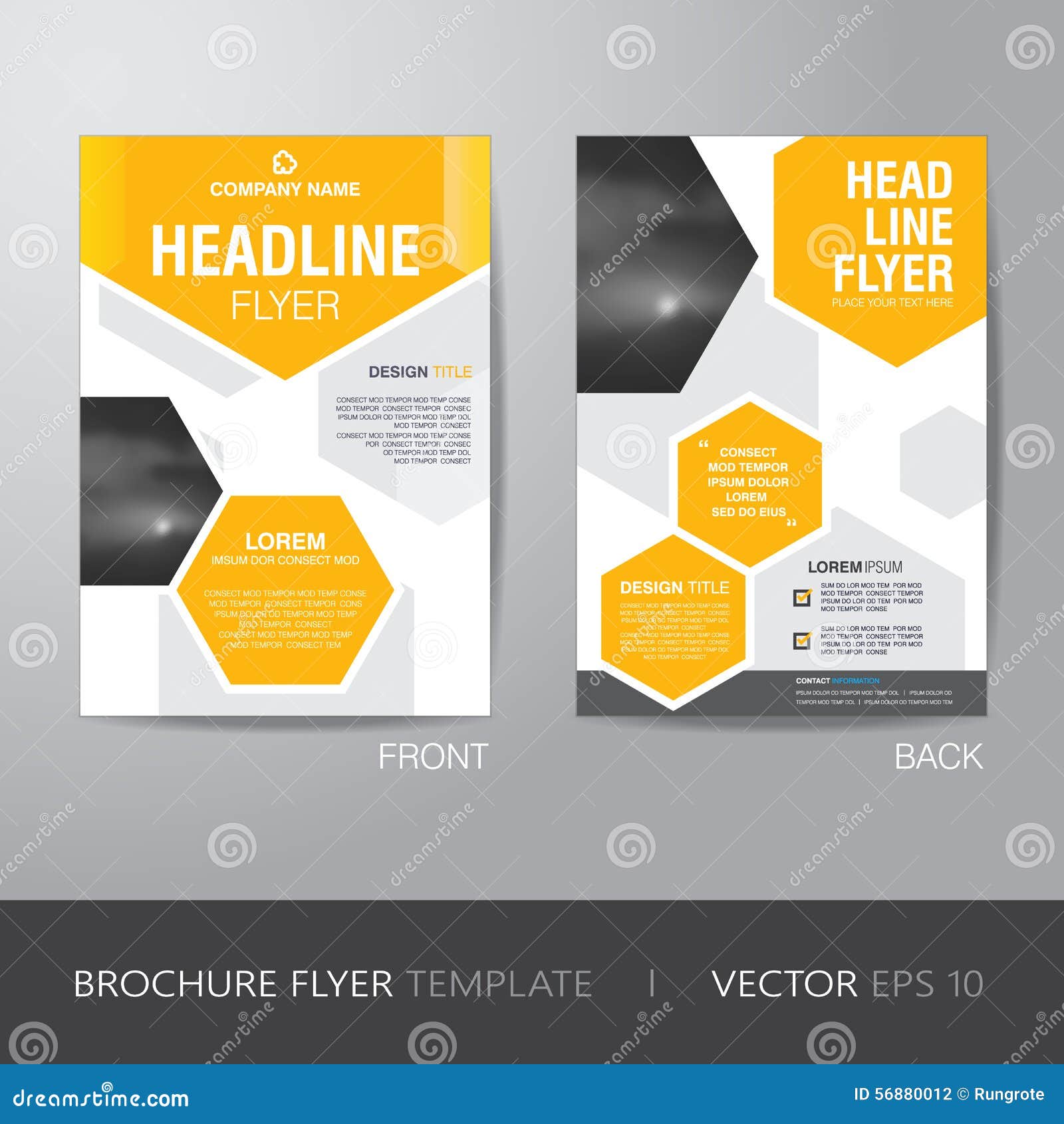
Corporate Hexagonal Brochure Flyer Design Layout Template In A4 Stock

Bleed A4 Cover Design For Annual Reports Flyersbrochures Vector, Print

Bifold business brochure design with bleed in A4 size vector template
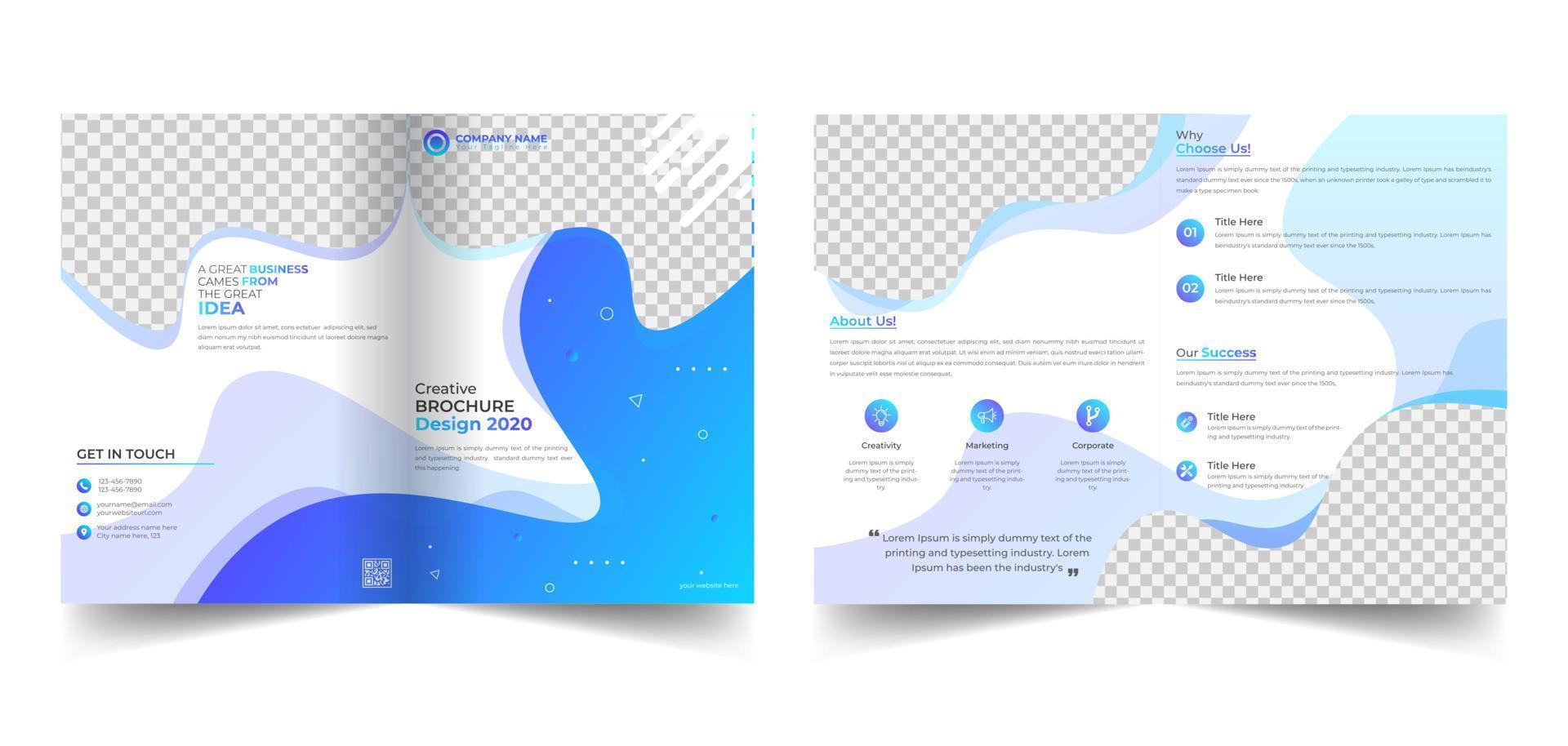
Business bi fold brochure design. With blue gradient shapes, front page

The Ultimate Guide to Brochure Design
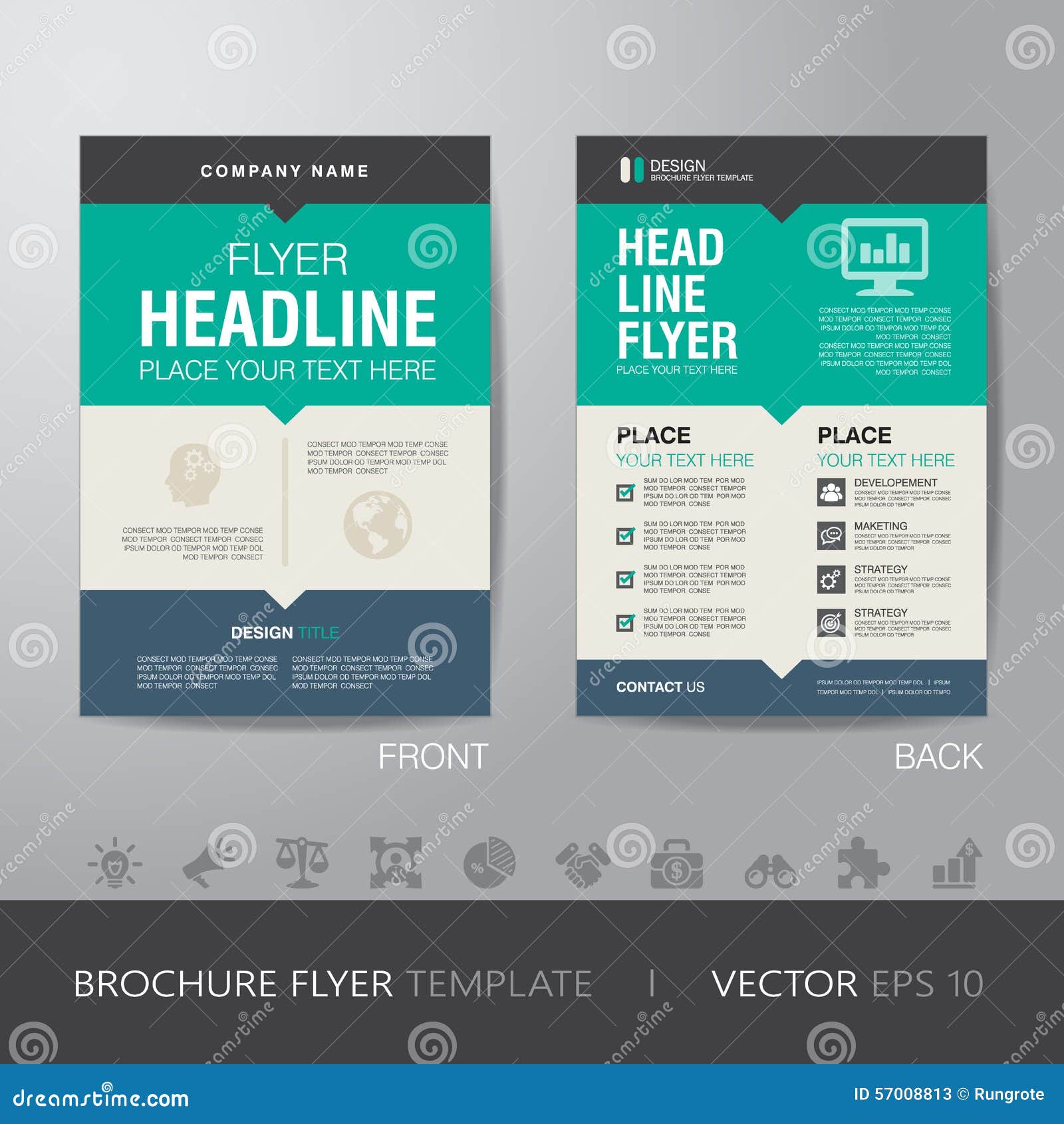
Corporate Brochure Flyer Design Layout Template in A4 Size, with Stock
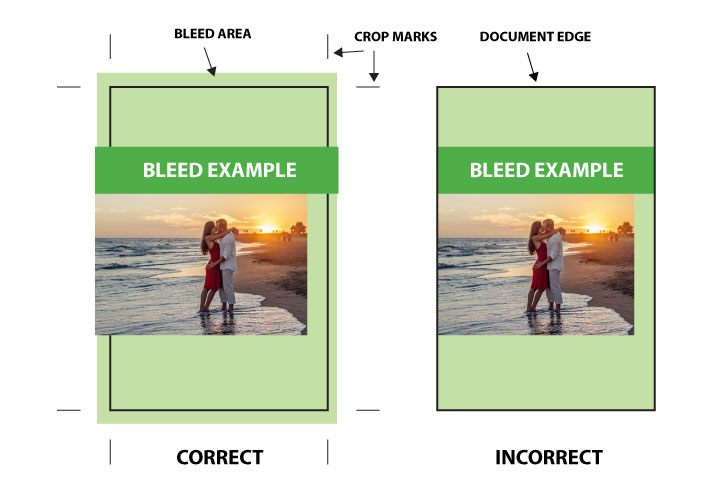
How To Set Up Margins and Bleed Sure Print & Design
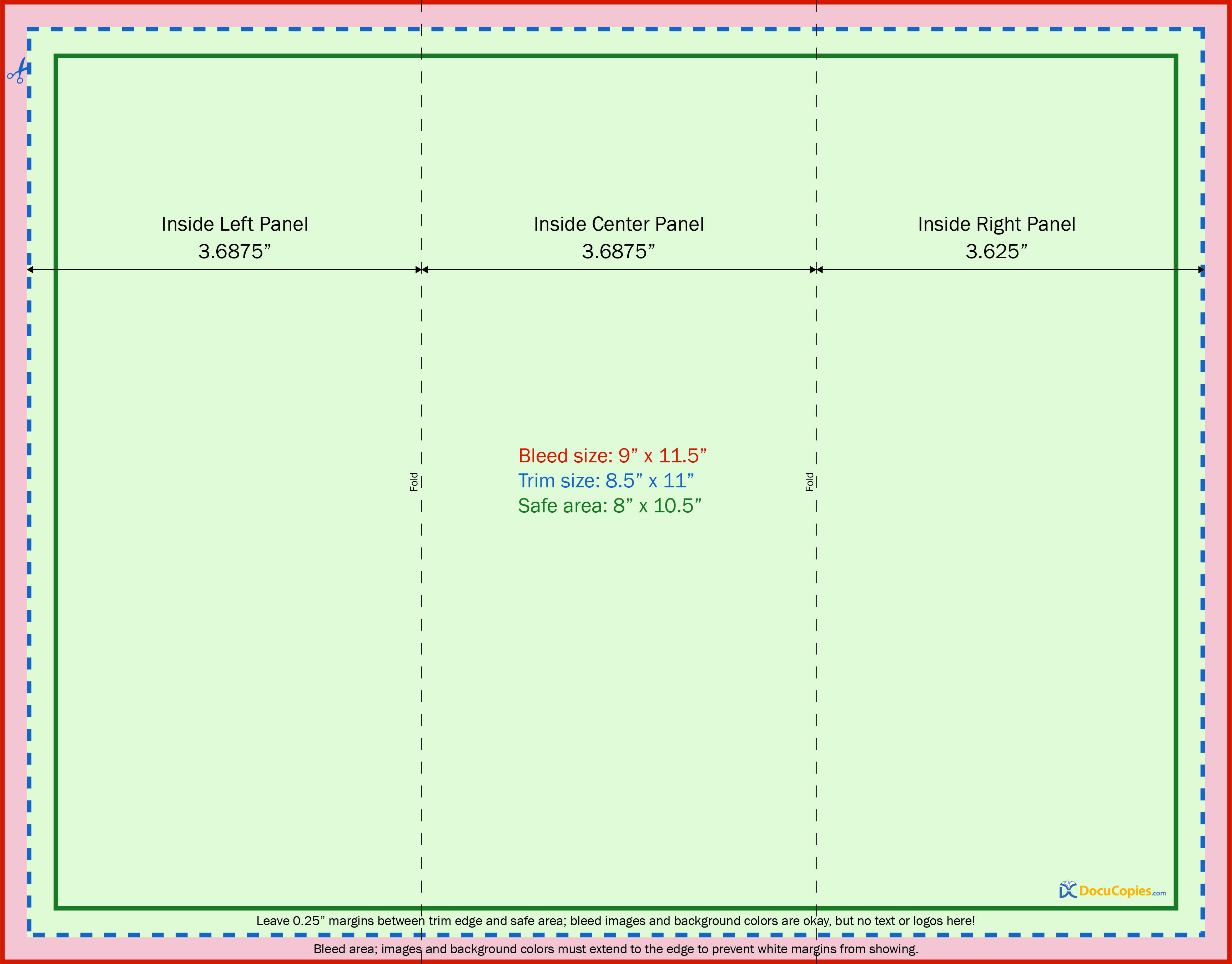
Trifold Brochure Printing, Custom Printed Brochures Online
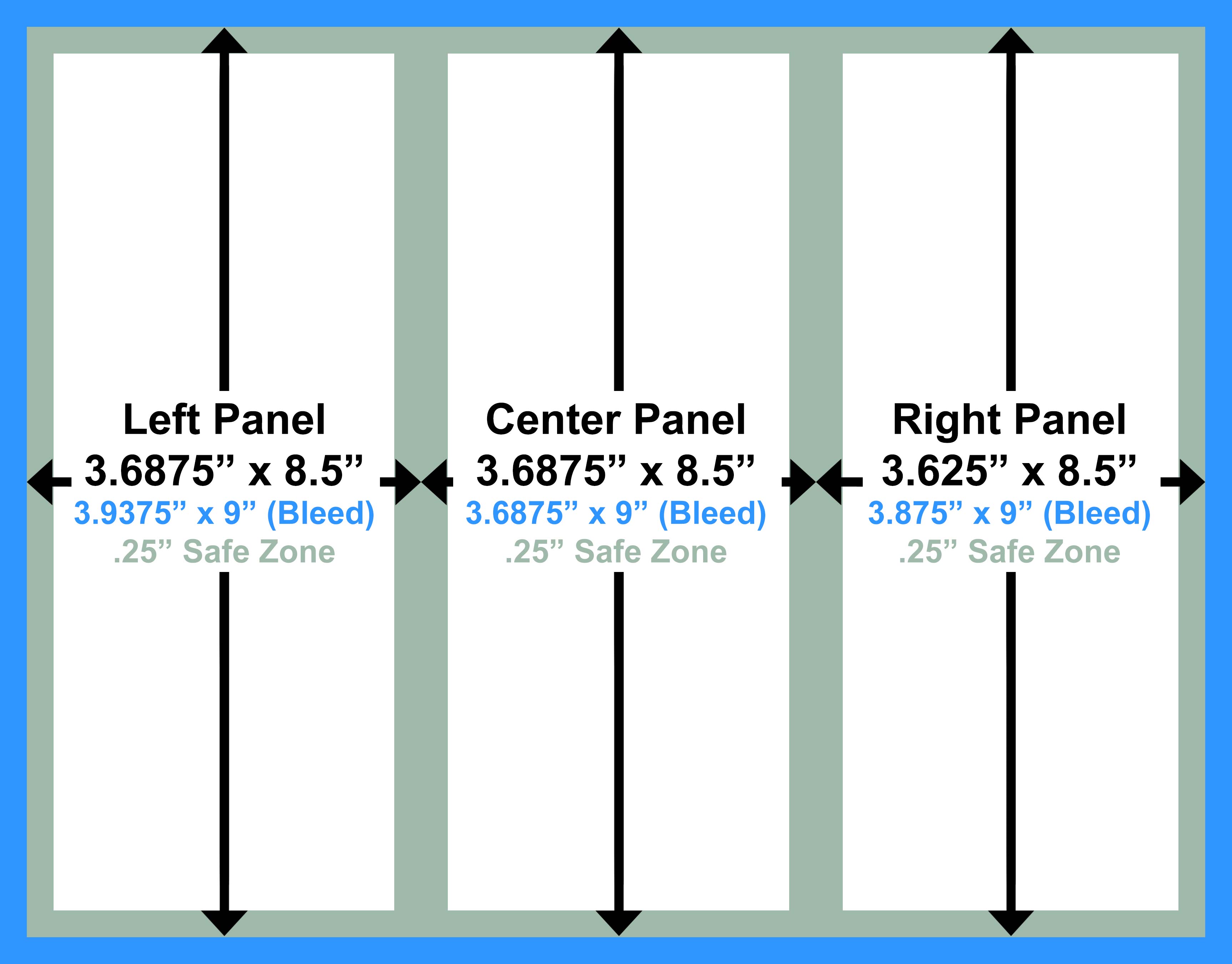
How to Design Brochures for Print Trifold template setup help
4/5 (201 Reviews)
The Minimum Amount Of Bleed Should Be Around 0.125 (3Mm) Outside Your Document Final Size, Ideally 0.25 (6Mm).
When It Comes To Professional Printing, “Bleed” Is An Essential Concept That Ensures Your Designs Look Polished And Without Any Unwanted Borders.
Bleed Refers To The Area Outside The Trim Line Of A Printed Document.
Related Post: