
Bell's Palsy Brochure
Bell's Palsy Brochure - Bell's palsy/facial palsy is a condition in which there is paralysis of the muscles of the face, typically on one side. Bell’s palsy is characterized by the spontaneous acute (72 hours or fewer) onset of a unilateral peripheral facial nerve palsy without any accompanying signs, with neither the history nor. Bp accounts for approximately half. It is the most common. Bell's palsy is a condition in which there is paralysis of the muscles of the face, typically on one side. Help people diagnosed with bell’s palsy recover control of their facial muscles and overall symmetry. No one knows for sure what causes it, but some experts believe that it is the. Bell palsy is acute facial paralysis or weakness caused by peripheral cranial nerve vii (facial) dysfunction of unknown etiology. Bell’s palsy happens when there is inflammation that causes damage to a nerve that feeds one side of the face. Bell's palsy is a disorder of rapid onset that is associated with a temporary, and most often, unilateral facial paralysis occurring when cranial nerve vii (facial nerve) becomes swollen,. The primary purpose of this guideline is to improve the accuracy of diagnosis for bell’s palsy, to improve the quality of care and outcomes for patients with bell’s palsy, and to decrease. It is usually temporary, with most people making a. Bell’s palsy is a condition that involves temporary weakness or paralysis of the facial muscles due to inflammation, damage or trauma to the facial nerve. Bell's palsy is a weakness or paralysis of a facial nerve. The first session starts with a massage exercise that lasts 10 to 15 minutes. This publication provides an overview of bell's palsy, including common symptoms, diagnosis, and available therapies. Bell's palsy/facial palsy is a condition in which there is paralysis of the muscles of the face, typically on one side. Bell’s palsy happens when there is inflammation that causes damage to a nerve that feeds one side of the face. Diagnosis and management of bell palsy b ell palsy (bp) is an idiopathic, unilateral facial nerve palsy of acute onset that leads to facial muscle weakness. The facial nerve becomes inflamed, the nerve signal gets blocked and the facial nerve is then unable to send the signal to move. Bell palsy is acute facial paralysis or weakness caused by peripheral cranial nerve vii (facial) dysfunction of unknown etiology. For an informative website, visit www.bellspalsy.ws. Help people diagnosed with bell’s palsy recover control of their facial muscles and overall symmetry. Affected patients develop unilateral facial paralysis over one to three days. Bell's palsy is a condition in which there is. It is the most common. The 2 facial nerves control movement of the muscles of expression on each side of your face. No one knows for sure what causes it, but some experts believe that it is the. The primary purpose of this guideline is to improve the accuracy of diagnosis for bell’s palsy, to improve the quality of care. Bell’s palsy is the name for a specific type of facial paralysis. Bell’s palsy is characterized by the spontaneous acute (72 hours or fewer) onset of a unilateral peripheral facial nerve palsy without any accompanying signs, with neither the history nor. The first session starts with a massage exercise that lasts 10 to 15 minutes. Affected patients develop unilateral facial. The 2 facial nerves control movement of the muscles of expression on each side of your face. It is usually temporary, with most people making a. The facial nerve becomes inflamed, the nerve signal gets blocked and the facial nerve is then unable to send the signal to move. The primary purpose of this guideline is to improve the accuracy. Bell's palsy/facial palsy is a condition in which there is paralysis of the muscles of the face, typically on one side. The paralysis can appear as sagging, frozen expressions, frowns,. For an informative website, visit www.bellspalsy.ws. The primary purpose of this guideline is to improve the accuracy of diagnosis for bell’s palsy, to improve the quality of care and outcomes. Affected patients develop unilateral facial paralysis over one to three days. This publication provides an overview of bell's palsy, including common symptoms, diagnosis, and available therapies. For an informative website, visit www.bellspalsy.ws. Bell's palsy is a disorder of rapid onset that is associated with a temporary, and most often, unilateral facial paralysis occurring when cranial nerve vii (facial nerve) becomes. Bell’s palsy happens when there is inflammation that causes damage to a nerve that feeds one side of the face. Affected patients develop unilateral facial paralysis over one to three days. No one knows for sure what causes it, but some experts believe that it is the. Bell’s palsy is a peripheral palsy of the facial nerve that results in. Bell’s palsy is the name for a specific type of facial paralysis. Bell's palsy is a weakness or paralysis of a facial nerve. Bell's palsy is a condition that causes the facial nerve not to work resulting in paralysis and distortions of the face. For an informative website, visit www.bellspalsy.ws. Bell palsy is acute facial paralysis or weakness caused by. For an informative website, visit www.bellspalsy.ws. The primary purpose of this guideline is to improve the accuracy of diagnosis for bell’s palsy, to improve the quality of care and outcomes for patients with bell’s palsy, and to decrease. Bell palsy is acute facial paralysis or weakness caused by peripheral cranial nerve vii (facial) dysfunction of unknown etiology. It is the. The paralysis can appear as sagging, frozen expressions, frowns,. Bell's palsy is a condition in which there is paralysis of the muscles of the face, typically on one side. The facial nerve becomes inflamed, the nerve signal gets blocked and the facial nerve is then unable to send the signal to move. It is usually temporary, with most people making. Bell's palsy is a disorder of rapid onset that is associated with a temporary, and most often, unilateral facial paralysis occurring when cranial nerve vii (facial nerve) becomes swollen,. It is usually temporary, with most people making a. The facial nerve becomes inflamed, the nerve signal gets blocked and the facial nerve is then unable to send the signal to move. Bell palsy is acute facial paralysis or weakness caused by peripheral cranial nerve vii (facial) dysfunction of unknown etiology. Bell’s palsy is a peripheral palsy of the facial nerve that results in muscle weakness on one side of the face. Diagnosis and management of bell palsy b ell palsy (bp) is an idiopathic, unilateral facial nerve palsy of acute onset that leads to facial muscle weakness. This publication provides an overview of bell's palsy, including common symptoms, diagnosis, and available therapies. It is the most common. For an informative website, visit www.bellspalsy.ws. The facial or 7th cranial nerve passes. Bp accounts for approximately half. Facial neuromuscular retraining has been shown to be an effective therapy for recovery from facial paralysis. The 2 facial nerves control movement of the muscles of expression on each side of your face. Bell's palsy is a weakness or paralysis of a facial nerve. Bell's palsy is a condition that causes the facial nerve not to work resulting in paralysis and distortions of the face. Bell’s palsy is a condition that involves temporary weakness or paralysis of the facial muscles due to inflammation, damage or trauma to the facial nerve.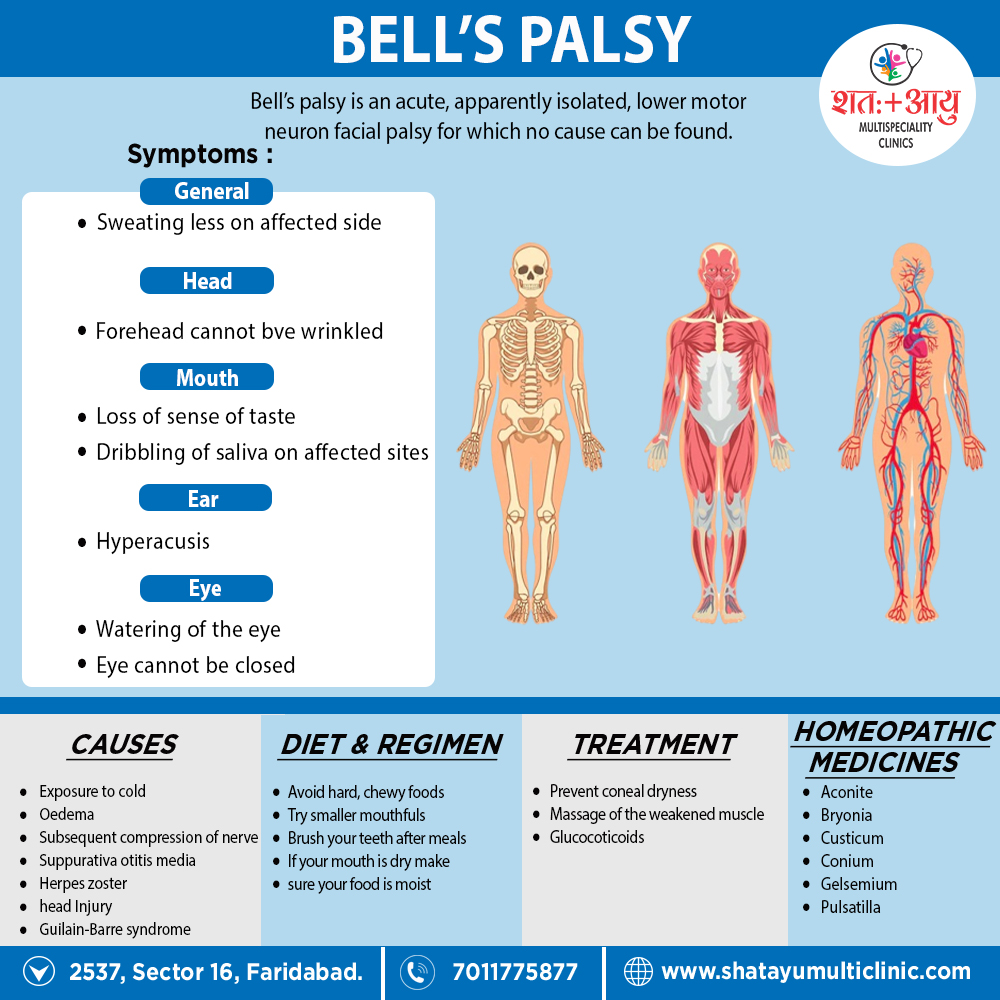
Bell’s Palsy SHATAYU MULTISPECIALITY CLINIC
![What is Bell's Palsy? [Infographic] Knowing Neurons](https://knowingneurons.com/wp-content/uploads/2019/03/KNBellsPalsyInfographic-768x1920.png)
What is Bell's Palsy? [Infographic] Knowing Neurons
:max_bytes(150000):strip_icc()/bells-palsy-and-stroke-3145940_V2-01-35b84cea965c4b0cbf129f769c8d51a1.png)
Bell's Palsy Diagnosis and Chance of Recovery
Bell's Palsy PDF Neurology Neurological Disorders
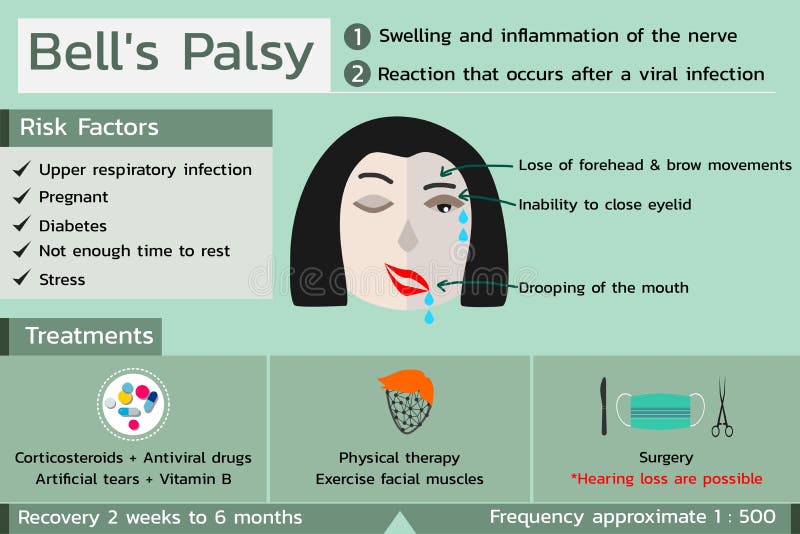
Bell S Palsy Infographic in Green Color Tone Stock Vector
Clinical Practice Guideline Bell's Palsy PDF Evidence Based
Bell's Palsy PDF Clinical Medicine Human Anatomy

Premium Vector Bell's palsy infographic to show the cause the symptom

Bell's Palsy Handbook Facial Nerve Palsy or Bell's Palsy facial
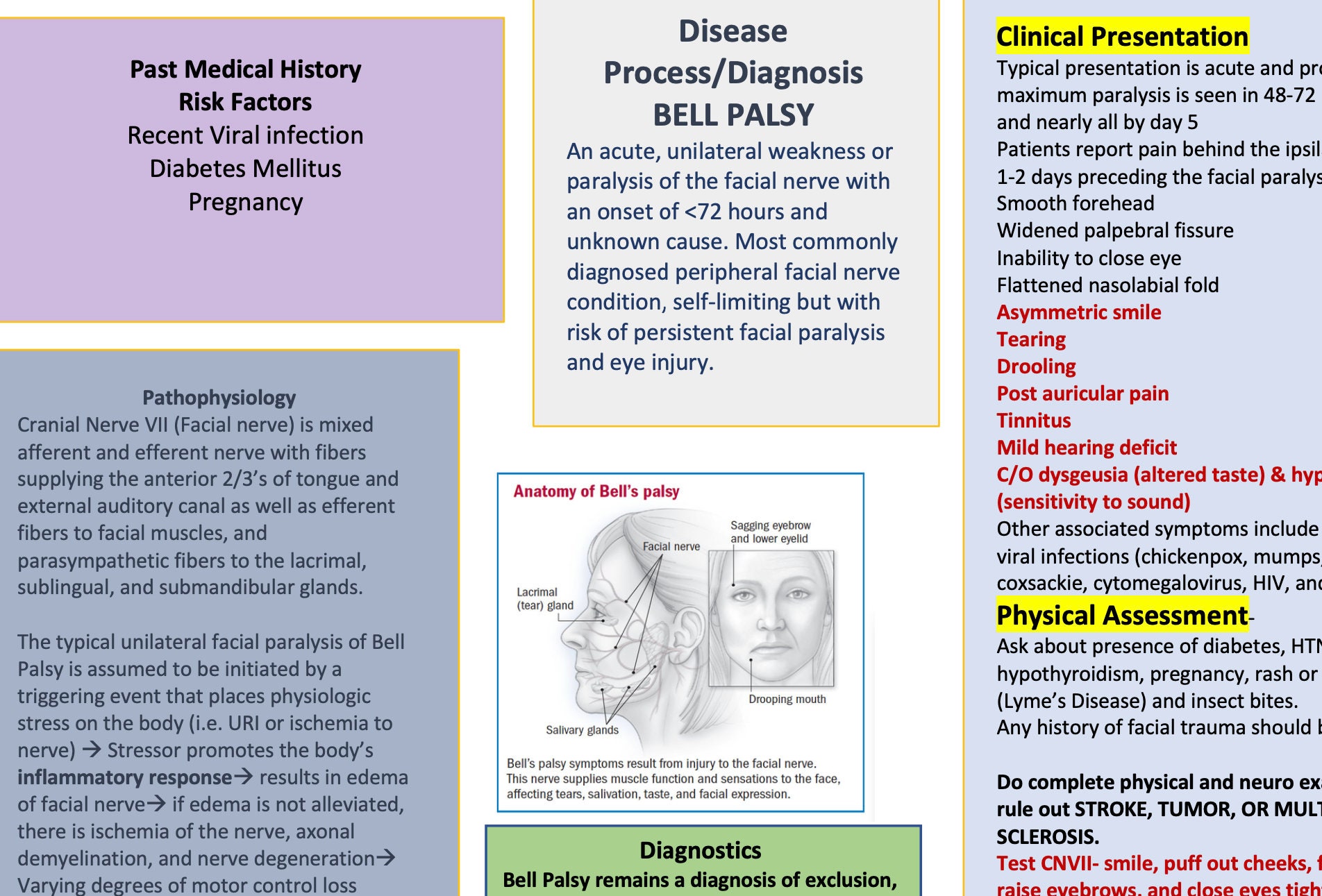
Bell's Palsy Concept Map and Study Guide Etsy
Help People Diagnosed With Bell’s Palsy Recover Control Of Their Facial Muscles And Overall Symmetry.
The Primary Purpose Of This Guideline Is To Improve The Accuracy Of Diagnosis For Bell’s Palsy, To Improve The Quality Of Care And Outcomes For Patients With Bell’s Palsy, And To Decrease.
The First Session Starts With A Massage Exercise That Lasts 10 To 15 Minutes.
Bell’s Palsy Happens When There Is Inflammation That Causes Damage To A Nerve That Feeds One Side Of The Face.
Related Post:


