
Are Brochures Recyclable
Are Brochures Recyclable - Rather than have them litter around, you can recycle them. This is mainly because magazines. This guide will provide a comprehensive look. What do we know about magazine recyclability, how should they be disposed of properly, and what companies like recycle. Epr laws are designed to reduce landfill waste, increase recycling rates and curb the environmental damage caused by nonrecyclable materials. And this will involve a step by step process where you turn. Yes, magazines can be recyclable, but it depends on their materials. Most magazines are made from paper, which is a highly recyclable material. Only about 20% of magazines in the u.s. Most of the periodicals you love to flip through can be recycled and used again to create new magazines, newspapers, and other paper products. Envelopes, even those with a window, are recyclable. But let’s break down the major categories of materials that can typically be. However, the recyclability of magazines can vary depending on certain factors like the type of. However, it’s crucial to consider a few factors before recycling. However, recycling might be a little bit more complex than that for other types of paper products. Magazines, catalogs, and telephone directories with glossy paper and covers can be recycled in your blue bin. Each city council has their own recycling guides, so always double check on their website if you are unsure or put your postcode into. Thankfully, magazines are recyclable, and understanding how to properly handle them is crucial for environmental responsibility. Styrofoam cups, plates, and packaging are not recyclable at the kent county recycling and education center so any foam. Recycling your magazines and catalogs has never been easier, even if they contain glossy paper. Don't worry about removing staples or covers; In conclusion, magazines are typically made from recyclable materials like paper and fibers. As a result, businesses face. Based in washington, d.c., rema provides. There are just a few simple steps that you need to follow to ensure that you are properly recycling your magazines. Styrofoam cups, plates, and packaging are not recyclable at the kent county recycling and education center so any foam. There is good news for those who are worried about how their junk mail affects the world around them. Don't worry about removing staples or covers; This guide will provide a comprehensive look. However, the recyclability of magazines can vary depending. This guide will provide a comprehensive look. Only about 20% of magazines in the u.s. Don't worry about removing staples or covers; Yes, magazines can be recycled. These elements are generally not recyclable alongside the magazine itself, and. Based in washington, d.c., rema provides. However, it’s crucial to consider a few factors before recycling. Most of the periodicals you love to flip through can be recycled and used again to create new magazines, newspapers, and other paper products. This means implementing clear, standardised labelling that leaves no room for confusion, using packaging made from single, easily recyclable materials,. Styrofoam cups, plates, and packaging are not recyclable at the kent county recycling and education center so any foam. Most magazines are made from paper, which is a highly recyclable material. However, recycling might be a little bit more complex than that for other types of paper products. Most of the periodicals you love to flip through can be recycled. In conclusion, magazines are typically made from recyclable materials like paper and fibers. Recycling magazines can save trees, water, and energy while reducing landfill. The recycled materials association (rema) represents more than 1,700 companies in the u.s. There are just a few simple steps that you need to follow to ensure that you are properly recycling your magazines. Yes, magazines. Most magazines are made from paper, which is a highly recyclable material. Only about 20% of magazines in the u.s. Don't worry about removing staples or covers; Many have a glossy finish that includes plastic coatings, making them harder to recycle. There are just a few simple steps that you need to follow to ensure that you are properly recycling. And 40 countries around the globe. There are just a few simple steps that you need to follow to ensure that you are properly recycling your magazines. In conclusion, magazines are typically made from recyclable materials like paper and fibers. This guide will provide a comprehensive look. Yes, magazines can be recycled. There is good news for those who are worried about how their junk mail affects the world around them. Envelopes, even those with a window, are recyclable. And 40 countries around the globe. But let’s break down the major categories of materials that can typically be. Yes, that’s right, like almost everything, magazines are recyclable. In conclusion, magazines are typically made from recyclable materials like paper and fibers. As a result, businesses face. There are just a few simple steps that you need to follow to ensure that you are properly recycling your magazines. Epr laws are designed to reduce landfill waste, increase recycling rates and curb the environmental damage caused by nonrecyclable materials. There. However, it’s crucial to consider a few factors before recycling. Thankfully, magazines are recyclable, and understanding how to properly handle them is crucial for environmental responsibility. As a result, businesses face. But let’s break down the major categories of materials that can typically be. And this will involve a step by step process where you turn. Magazines, catalogs, and telephone directories with glossy paper and covers can be recycled in your blue bin. This is mainly because magazines. There are just a few simple steps that you need to follow to ensure that you are properly recycling your magazines. Styrofoam cups, plates, and packaging are not recyclable at the kent county recycling and education center so any foam. Yes, they can, although with some nuances. These elements are generally not recyclable alongside the magazine itself, and. There is good news for those who are worried about how their junk mail affects the world around them. Epr laws are designed to reduce landfill waste, increase recycling rates and curb the environmental damage caused by nonrecyclable materials. And 40 countries around the globe. In conclusion, magazines are typically made from recyclable materials like paper and fibers. Yes, magazines can be recycled.
Recycling Brochure Template

Recycled Paper Brochure Printing Aura Print
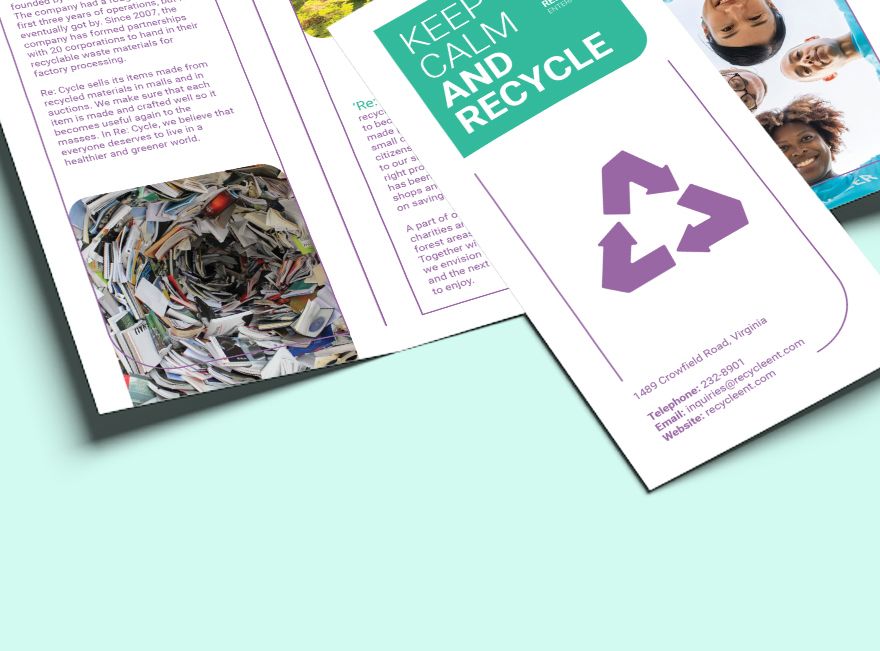
Recycling TriFold Brochure Template in Publisher, Illustrator, PSD
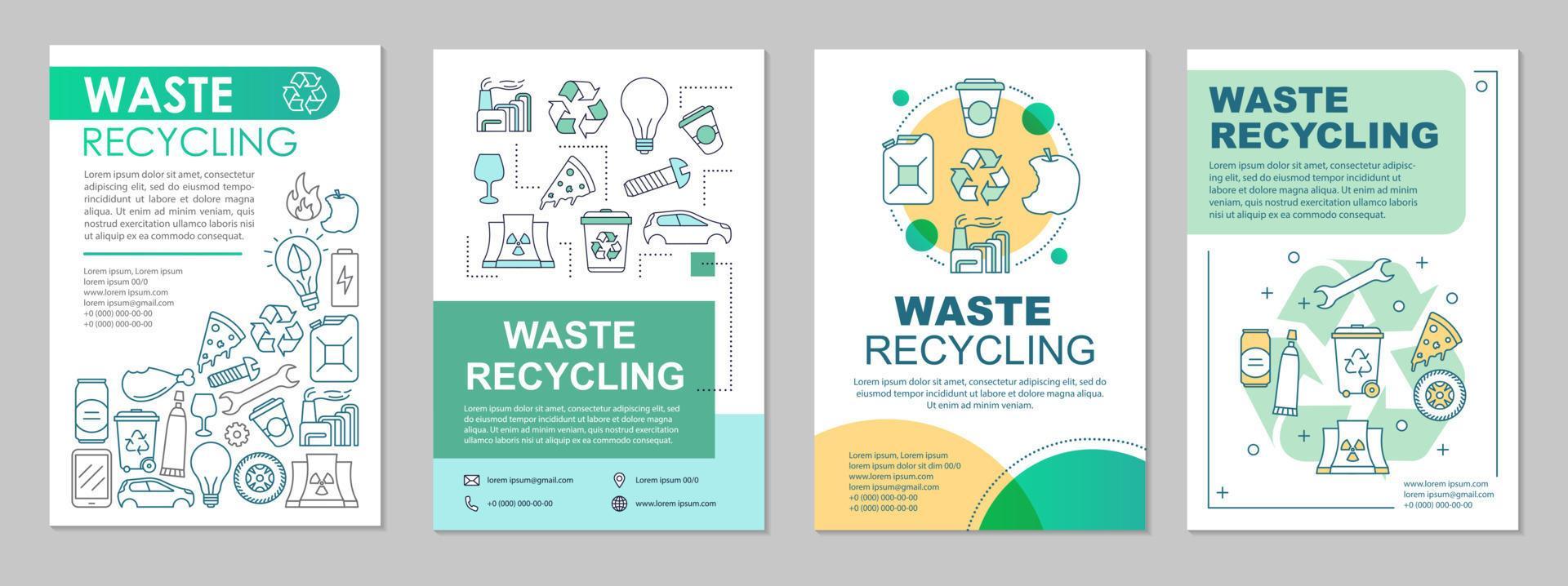
Waste recycling brochure template layout. Trash sorting. Flyer, booklet

Download a GFU recycling brochure (PDF). Fox University

Recycling Brochure Template

Recycling Brochure Template
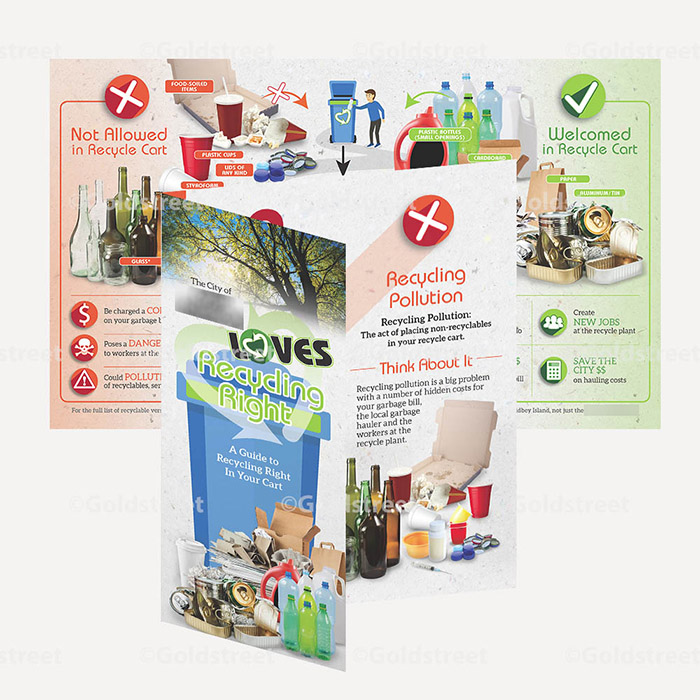
Recycling Brochure 1211 Goldstreet Designs
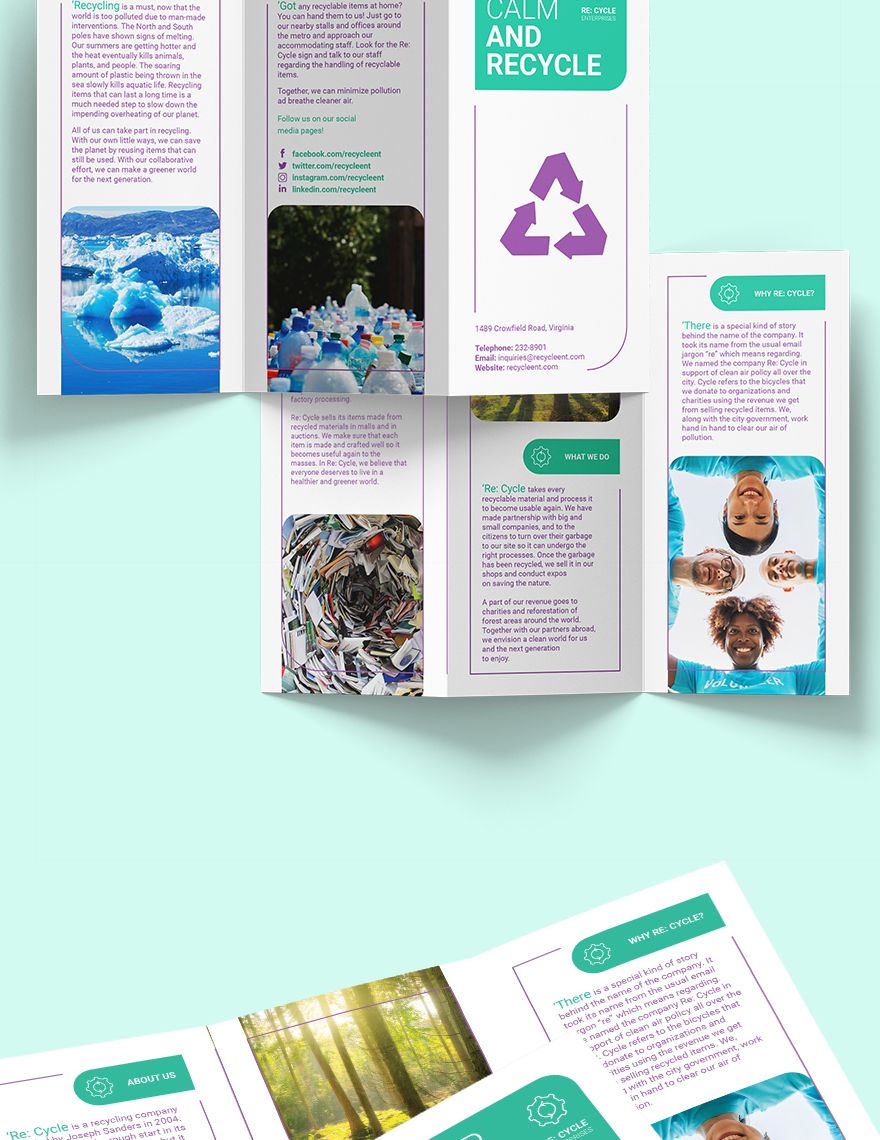
Recycling TriFold Brochure Template in Publisher, Illustrator, PSD

Professional, Modern, Recycling Brochure Design for a Company by
Most Magazines Are Made From Paper, Which Is A Highly Recyclable Material.
Recycling Magazines Can Save Trees, Water, And Energy While Reducing Landfill.
Yes, Magazines Can Be Recyclable, But It Depends On Their Materials.
Find Out The Entire Recycling Process.
Related Post: